Blog
What Is the Favorite Food of a mouse?

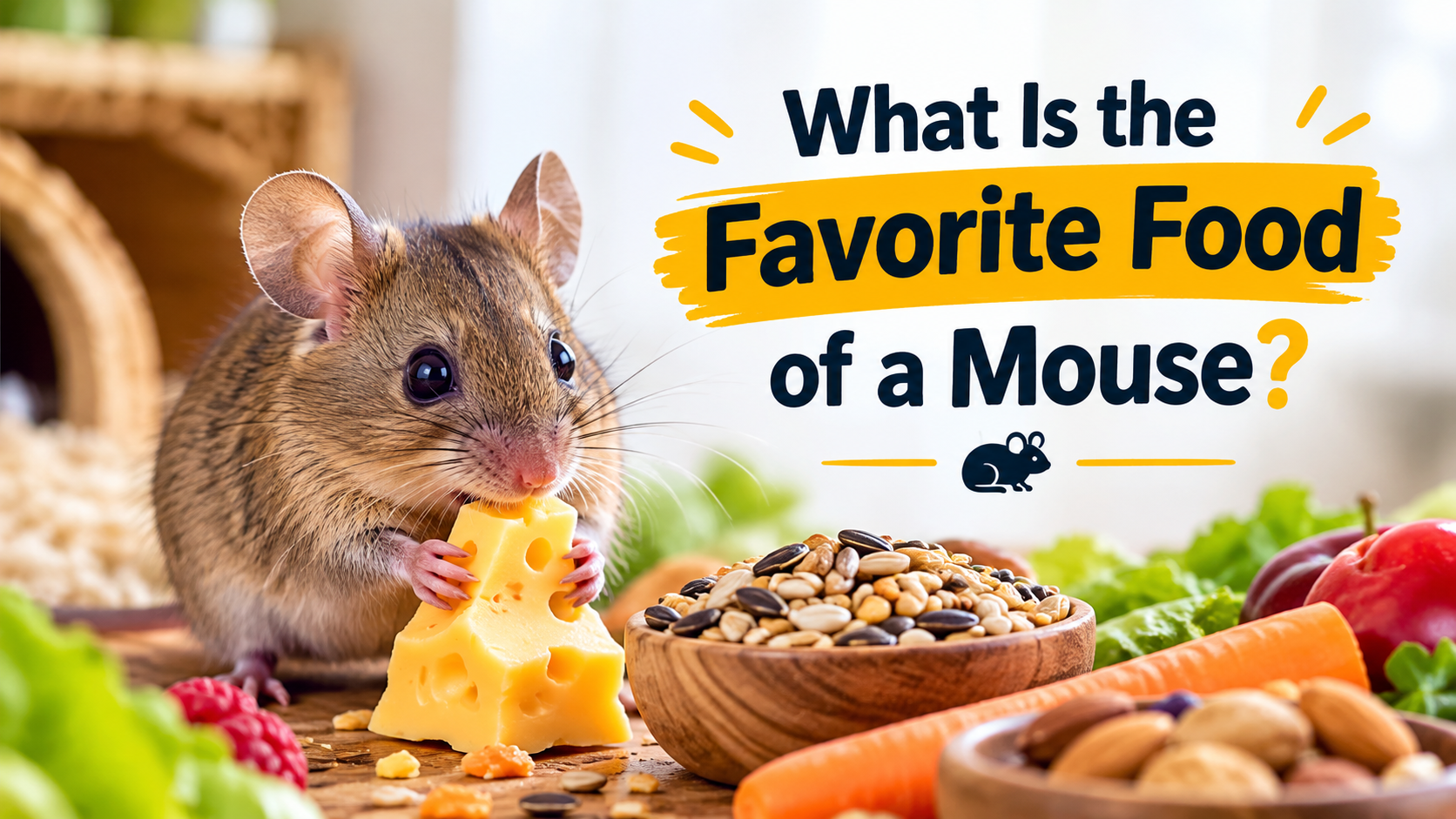
Eating Mice: an All-inclusive Guide.
Mice are small rodents and tend to move very swiftly, which means that no one notices them until they start wreaking havoc within homes, warehouses, and food storage facilities. Mice are capable of causing a lot of concern due to their ability to damage food supply, chew electrical wires, as well as contaminate and transmit bacteria. One of the most effective means of understanding the mouse behavior is through learning the mouse food preferences so as to control infestations before they get out of control.
Numerous individuals believe that cheese is the most favorite food of mice and this is due to the cartoon elements and common tales. In a real sense, the eat of the mouse is determined by their surroundings, nature of survival and availability of mice food. Mice are smart, versatile feeders who are selective in their food intake depending on its amount of energy, ease of availability and familiarity. The article is a comprehensive guide to finding out what mice really like to eat, how their diet changes in the wild and indoor set-ups, and why it is important to understand their food preferences in preventing and controlling them.
Understanding the Diet of a Mouse
The house mouse (Mus musculus) is the highest species occurring around human living environments. These rodents are omnivores, implying that they feed on plant-derived and animal-derived foods. Nevertheless, most of their meals are comprised of grains, seeds, and carbohydrates. These are fast foods and mice are able to chew and digest them easily.
Mice are scavenger feeding animals. They take in small portions in regular intervals as opposed to taking the huge meal at a given time. Availability determines their feeding patterns enabling a wild mouse to live in forests as well as fields and also in urban residences, apartments, and dining establishments.
Mice typically prefer food that is:
- Easy to chew
- High in calories
- Readily available
- Familiar within their environment
This remarkable adaptability explains why mice can survive almost everywhere humans live.
Is a Cheese really the favorite food of a mouse?
Cheese is not regarded as the best mouse food, in spite of its popularity among cartoons. Even though mice do not refuse to eat cheese when they have nothing better to eat, it is scientifically proved that they are much more interested in the type of food that contains a lot of sugar and carbohydrates.
Cheese is rich in fats and proteins yet it does not give the immediate energy required by the mice to survive. This myth is probably born out of the old European households where the cheese used to be left uncovered and hence an easy target. As a matter of fact, cheese is lowly rated against the grains, bread and sweet foods in terms of mouse food preference.
The Real-Life Favorite Foods of Mice.
The Top Choice Grains and Seeds.
Mice food in both the wild and indoor set-ups is based on grains and seeds. They are calorie rich foods that are quite easy to store and chew by mice.
The types of grain and seed foods that are common that mice consume are:
• Wheat
• Corn
• Oats
• Rice
• Barley
• Birdseed
• Sunflower seeds
These products are usually kept in pantries, barns, and warehouses thus mice are commonly found there. Formulated diets in controlled feeding conditions or in pet mice such as Kaytee Forti Diet Pro (https://amzn.to/44YuppX) provide balanced nutrition and are designed specifically for mice and other small rodents.
Sugary Foods and Sweets
When asking yourself what food mice like the most, the sugary ones are a big solution. Mice are very sensitive to sweet odors and tastes which are instant source of energy.
Sugary foods that are very appealing are:
• Chocolate
• Candy
• Cookies
• Cakes
• Jam and jelly
• Syrup residue
Even grain of sugar or even spilled sugar crumbs can bring mice back to home again and again.
Fruits and Vegetables
Another significant component of the mice food is the fresh vegetable and fruits, particularly to a wild mouse which depends on natural sources of food. Fruits and vegetables are natural sources of sugars and moisture respectively.
The fruits and vegetables the mice commonly consume are:
• Apples
• Grapes
• Bananas
• Berries
• Carrots
• Cucumbers
Sticky foods are of special value to mice since they can live with an extremely small amount of direct water intake.
Bread and Bakery Items
Mice like to feed on bread products. Such foods are easy to eat, rich in carbohydrates, soft, and easy.
Mice often target:
• Bread loaves
• Toast crumbs
• Pastries
• Bagels
• Muffins
That is why the first place where mice are observed is the kitchen and dining rooms.
Nuts and Peanut Butter
Mice like nuts though not as their main diet are attracted to their fat and protein content. Peanut butter is especially popular as a bait, as it has a powerful odor and is sticky, which means that it is hard to get off without activating traps.
Do Mice Eat Meat?
Yes, mice are not vegans, but just every now and then. Pests included in the expertise of mice (are omnivores) and can eat:
• Insects
• Worms
• Small meat scraps
Protein promotes growth and reproduction but in a choice situation, mice never choose meat but instead grains or sweet foods.
What Do Wild Mice Eat?
The question that many house owners will have is, what a wild mouse eats compared to that of a house mouse. Wild mice in the natural environment are feeders on seeds, berries, grains, insects and plant matter. Nonetheless, when a wild mouse gets into a human habitat, it becomes very easy to adapt to food sources that are accessible to the mice which include bread, cereal and packaged snacks.
What Mice Appeal Leads to trapped in Homes?
Mice soon become acquainted with the habits of the human food within a home. Cereal, flour, rice, pasta and sugar are common kitchen products and are very appealing. Snacks, leftovers and uncovered pet food are also significant contributors of infestations.
The mice are also attracted to pet food more because it is nutrient populated and most times it is left outside at night and is a good target.
How Mice Eat and Store Food
The teeth of mice never cease growing and therefore they have to gnash all the time. This is a habit that causes destruction of food wrappings, furniture and even electrical wires.
Mice hoard food in their secret places as well which include:
• Wall cavities
• Cabinets
• Drawers
• Behind appliances
Hoarding of food enables infestations to increase very fast despite the apparent scarcity of food.
Foods Mice Avoid
Whereas mice are flexible, they, as a rule, do not favor:
• Strong citrus scents
• Bitter or spicy foods
• Chemically treated foods
• Items they cannot chew
Natural repulsions can provide a temporary solution yet cannot be trusted as a lasting solution.
Why the Food of the Mouse is an Important Topic.
It is important to know what mice consume and what they love because this will assist in two important aspects:
Prevention
• Stake food in air tight containers.
• Get rid of spills and cleanbrushes.
• Secure trash bins
• Do not leave pet food on the ground.
Control
• With the correct bait, the trap success increases.
• Trap avoidance is caused by poor choice of baits.
Effective food management minimizes recidivism.
Removal is not the only important factor in effective mouse control it is elimination of attraction.
Final Thoughts
The question is, what is the favorite food of a mouse then?
• Grains and seeds
• Sugary foods
• Bread and cereals
• Fruits with natural sugars
Cheese can be iconic, but it is not the favorite mice food.
Knowing the mice preferences in food and knowing what food attracts mice the most, the homeowner will make a better choice and control infestation more successfully. At Bestmousepoison.com the first line of action is the informed decision that will result in the long term goal of mouse control and prevention.
To guarantee the appropriate nutritional saturation of the mice and preserve the stability of their health in the long term, a nutritionally balanced diet as mentioned in Kaytee Forti Diet Pro (https://amzn.to/44YuppX) may have a significant role to fulfill the requirements.