Blog
What Is the Favorite Food of a mouse?

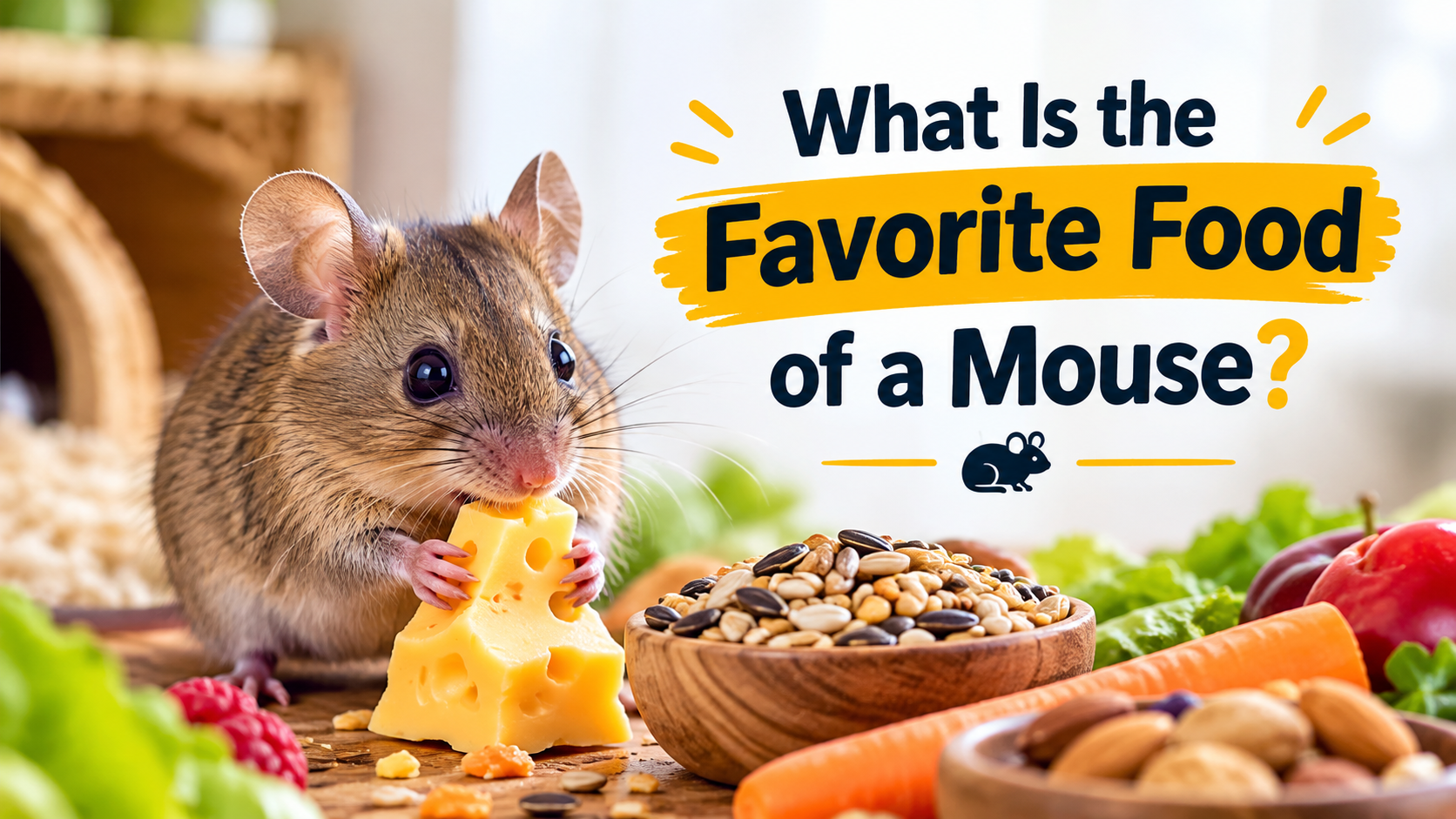
Eating Mice: an All-inclusive Guide.
Mice are small rodents and tend to move very swiftly, which means that no one notices them until they start wreaking havoc within homes, warehouses, and food storage facilities. Mice are capable of causing a lot of concern due to their ability to damage food supply, chew electrical wires, as well as contaminate and transmit bacteria. One of the most effective means of understanding the mouse behavior is through learning the mouse food preferences so as to control infestations before they get out of control.
Numerous individuals believe that cheese is the most favorite food of mice and this is due to the cartoon elements and common tales. In a real sense, the eat of the mouse is determined by their surroundings, nature of survival and availability of mice food. Mice are smart, versatile feeders who are selective in their food intake depending on its amount of energy, ease of availability and familiarity. Providing a balanced blend such as Kaytee Forti-Diet Comprehensive Nutrition is essential to fulfill their requirements. The article is a comprehensive guide to finding out what mice really like to eat, how their diet changes in the wild and indoor set-ups, and why it is important to understand their food preferences in preventing and controlling them.
Understanding the Diet of a Mouse
The house mouse (Mus musculus) is the highest species occurring around human living environments. These rodents are omnivores, implying that they feed on plant-derived and animal-derived foods. Nevertheless, most of their meals are comprised of grains, seeds, and carbohydrates. These are fast foods and mice are able to chew and digest them easily.
Mice are scavenger feeding animals. They take in small portions in regular intervals as opposed to taking the huge meal at a given time. Availability determines their feeding patterns enabling a wild mouse to live in forests as well as fields and also in urban residences, apartments, and dining establishments.
Mice typically prefer food that is:
- Easy to chew and carry back to their nesting sites.
- High in carbohydrates and fats for quick energy.
- Rich in essential nutrients, such as specialized seed mixes like Kaytee Forti-Diet Mouse & Rat Food.
What Do Mice Eat in the Wild?
In natural habitats, mice have an opportunistic diet. Their survival relies on foraging for natural resources available across seasons:
- Seeds and Grains: The primary diet of wild mice includes grass seeds, wheat, oats, and acorns.
- Fruits and Vegetation: Berries, roots, leaves, and plant stems offer necessary hydration and nutrition.
- Insects and Small Invertebrates: When plant-based options are scarce, mice feed on beetles, caterpillars, spiders, and grasshoppers.
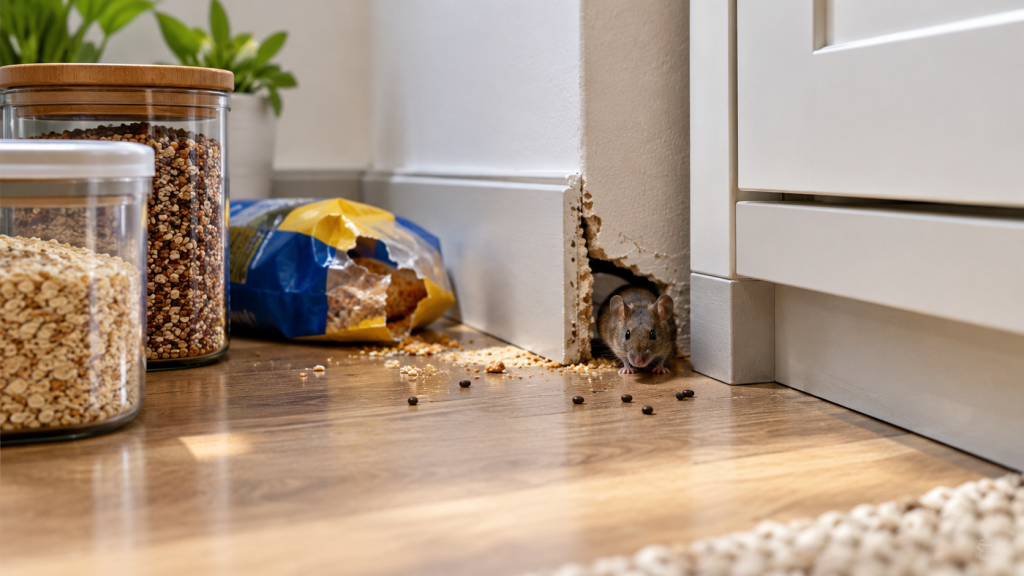
When wild mice adapt to indoor environments, they seek out similar high-carbohydrate choices, making stored grains, pet food, and pantry items prime targets.
What Is a Mouse’s Absolute Favorite Food?
Contrary to popular belief, cheese is not at the top of a mouse’s preference list. Mice are drawn to foods with strong scents, high protein, and rich fat content:
- Peanut Butter and Nut Spreads: High in calorie density and aroma, making them ideal trap baits.
- Seeds and Nuts: Sunflower seeds, pumpkin seeds, and almonds are natural favorites.
- Specially Formulated Diets: Nutritious blends like Kaytee Forti-Diet contain exact ratios of grains, seeds, and digestive support ingredients.
- Sweet Foods and Fruits: Apples, bananas, and sugary snacks attract mice rapidly.
Summary of Mouse Diet Preferences
| Food Category | Examples | Preference Level |
|---|---|---|
| Seeds & Grains | Oats, Wheat, Kaytee Forti-Diet Mix | High |
| High-Fat Baits | Peanut Butter, Lard, Nuts | Very High |
| Proteins | Insects, Meat Scraps, Egg | Medium |
| Dairy | Hard Cheese | Low to Medium |
Knowing the mice preferences in food and knowing what food attracts mice the most, the homeowner will make a better choice and control infestation more successfully. At Bestmousepoison.com the first line of action is the informed decision that will result in the long term goal of mouse control and prevention. To guarantee the appropriate nutritional saturation of the mice, a nutritionally balanced diet as mentioned in Kaytee Forti Diet Pro may have a significant role to fulfill the requirements.