Blog
Why Mice Keep Coming Back—and How to Break the Cycle


You might have posed a similar question before, having handled mice, and wondered why they seem to keep on returning even after you have gotten rid of them. Most of the homeowners employ the use of mouse control products, traps, or even mouse poison, and find evidence of the mice coming back weeks or months later. Such a cycle is not new—and it is occurring due to obvious and avoidable causes.
The reason mice come back is the clue to preventing the recurrence of infestations and eliminating the constant use of mouse poison, rodenticides or the best rodent poison available in the market.
The Reason why Mouse Infestations are Common Returns.
Mice do not just select residential houses. When they do return it is normally because there is something that continues to appeal to them. The killing of a mouse here and there does not eliminate the circumstances that were beckoning them.
Most frequently used motivations to come back to the mice include:
· Easy access points
· Available food sources
· Safe nesting areas
· Incomplete control strategies
It is imperative not to overlook these aspects; even the best mouse poison for indoors will only extend relief on a temporary basis.
Open Portals to New Mice.
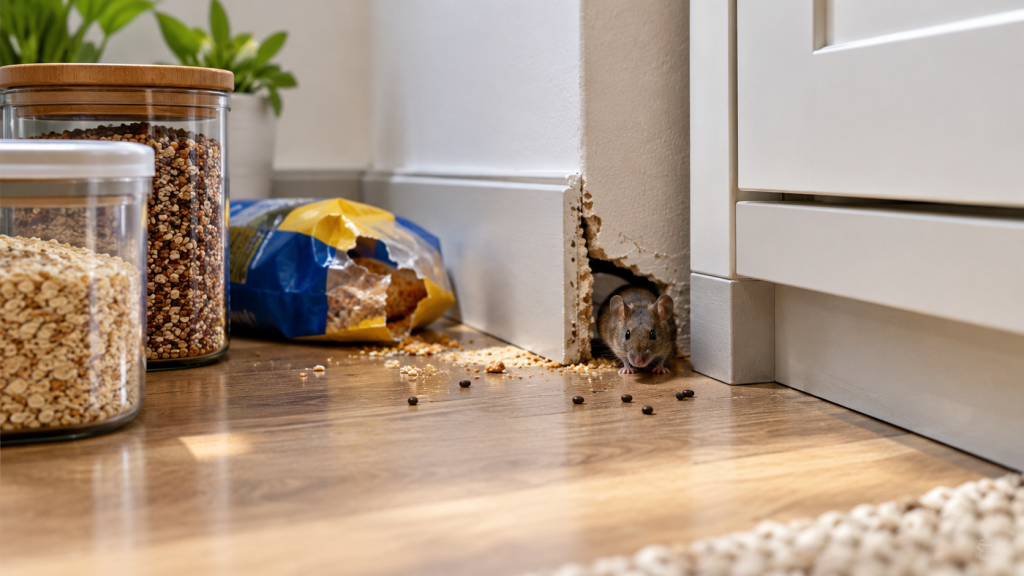
Unsealed entry points are one of the largest causes of mice reoccurring. Mice squeeze through holes as small as a coin and they are very good climbers.
Common entry areas include:
· Gaps under doors
· Cracks in foundations
· Holes about pipes and vents
· Garage and basement doors
When such access points are not closed, using rat poison rodenticide or traps does not eliminate the root issue, but just creates a vacuum so that the next group can occupy the space.
The Availability of Food Keeps Them Interested.
Mice are opportunistic feeders. Even when there is food, they will still come back after being poisoned or trapped if attractants remain.
Attractants include:
· Unsealed pantry items
· Pet food left overnight
· Crumbs and spills
· Garbage containers that are not tightly closed
The availability of food will continue to make mouse poison a temporary fix rather than a lasting solution.
Safe Nesting Spaces.
Mice do not just seek food; they seek shelter. They breed fast in warm, unperturbed places.
Common nesting locations:
· Attics
· Basements
· Wall cavities
· Garages
· Cluttered storage areas
Quite often, when nesting grounds are not disrupted, infestations tend to recreate quickly even in the presence of rodenticides.
Illusory Feeling of Safety.
Most homeowners cease action when they can no longer see mouse movement. Mice, however, are very good at concealment, and some surviving rodents can reappear very fast.
While mouse control products should be used and inspected, in most cases, the cycle has already begun without notice if prevention is ignored.
Improper Use of Mouse Poison.
Another cause of mice returning is the inappropriate use of mouse poison. Poison placed in an inappropriate location, in low doses, or taken away prematurely might not kill the whole population.
Moreover, when mice learn to link specific foods or locations with danger, they become bait-shy, making repeated use of poisons less effective.
Why Poison Alone Isn’t Enough.
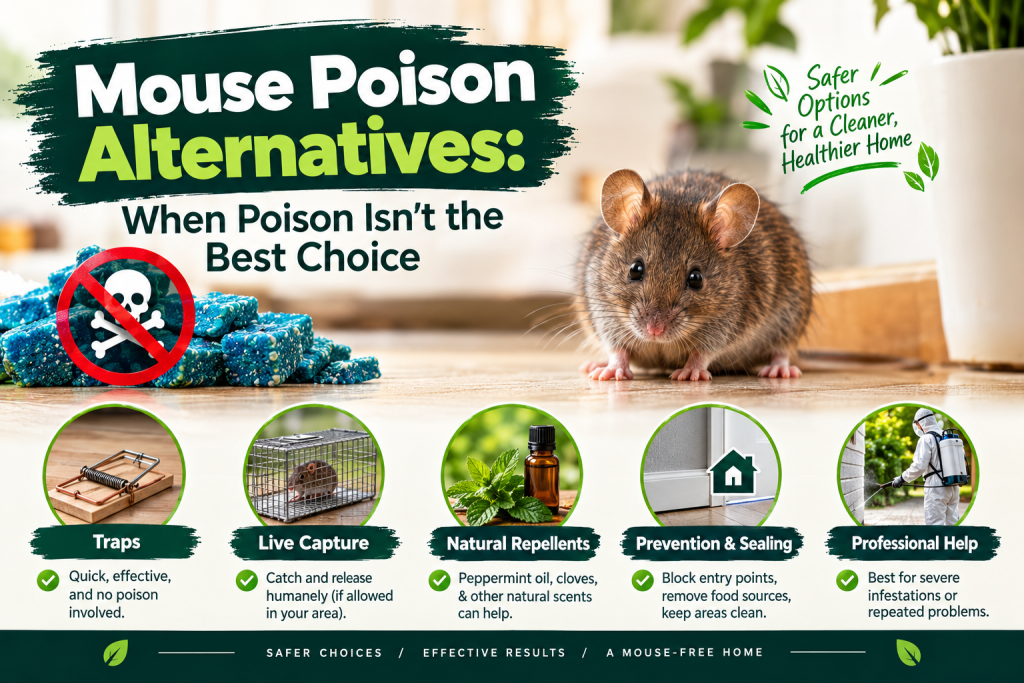
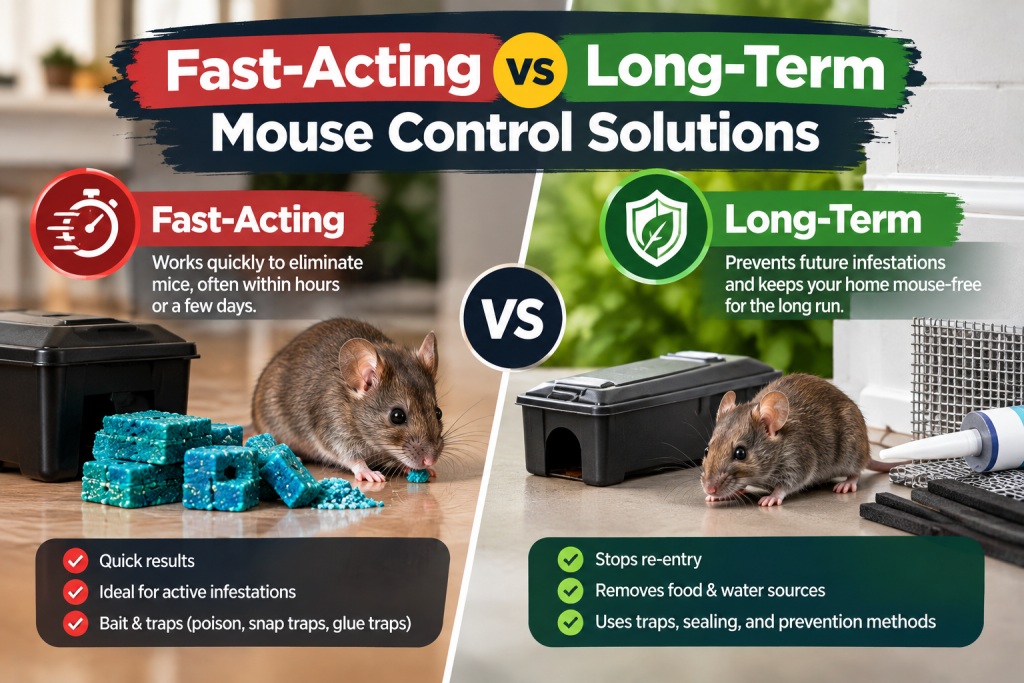
Although mouse poison is effective, new mice are not blocked out. Poison only solves a symptom rather than the root problem. Homeowners tend to repeat the process of searching for the best rodent poison, although they must close entry points and eliminate attractants.
Breaking the Cycle: Step-by-Step.
Mice cannot be stopped from coming back without a holistic approach:
1. Seal All Entry Points
Inspect your house and seal small holes with hardened materials such as steel mesh, metal flashing, or rodent-proof seals.
2. Eliminate Food Sources
· Put food in airtight containers.
· Wipe up crumbs and spills immediately.
· Secure trash bins.
· Do not leave pet food out overnight.
3. Eliminate Nesting Opportunities
Clear out storage spaces and get rid of soft materials that serve as nesting grounds.
4. Apply Control Products Strategically
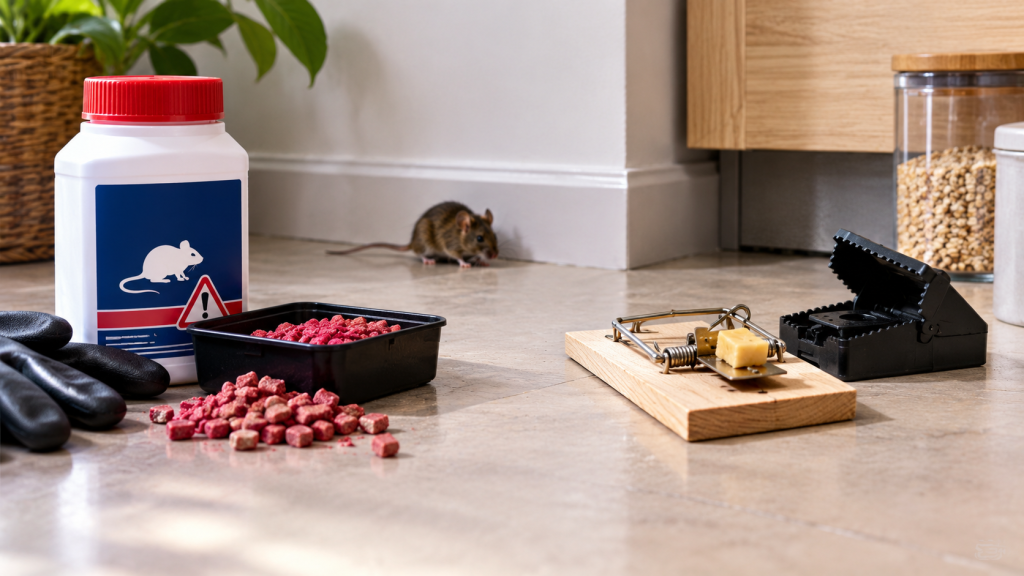
Control products should be considered part of a comprehensive plan rather than a standalone fix.
Bait Station Use in Long-Term Control.
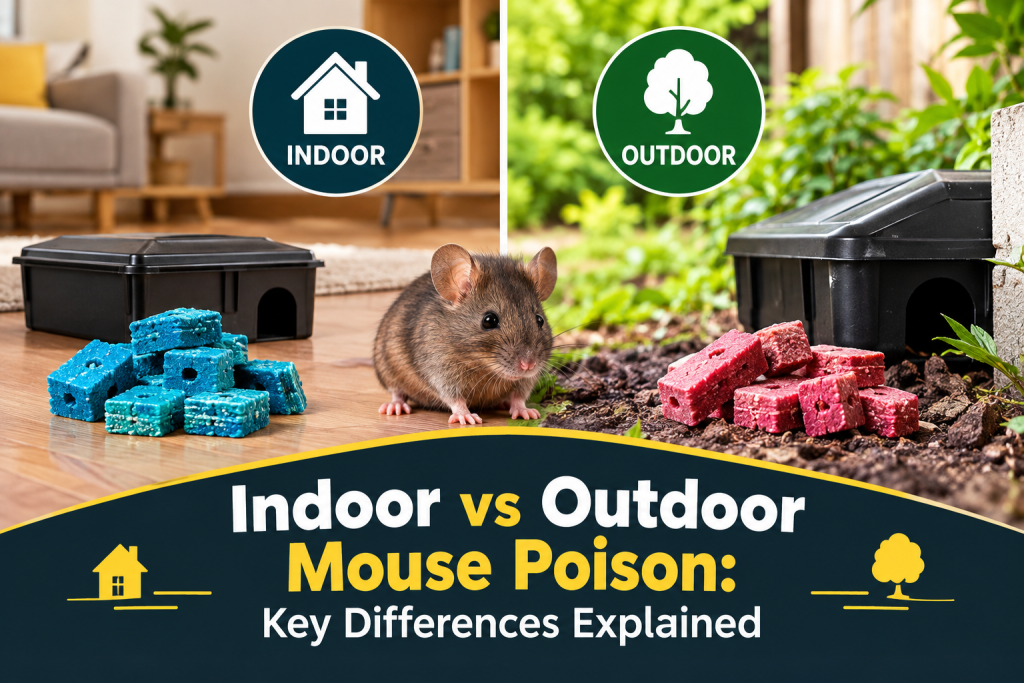
Bait stations are much safer and more effective compared to placing poison loosely. They keep pets and children away from the bait while promoting regular feeding.
Professionally developed stations such as the Exterminators Choice Rat Bait Stations assist in containing rodenticides, enhancing performance and safety in situations where poisons are necessary.
Surveillance After Control is in Place.
Continued monitoring is necessary even when mouse activity decreases. Look for:
· New droppings
· Gnaw marks
· Sounds at night
Timely inspection ensures reinfestation does not become severe and minimizes unnecessary dependence on rat poison rodenticide.
Final Thoughts
Mice continue to come back because something in the environment still works in their favor. Infestations will reoccur—however successful original control seemed—due to open entry points, ready food, and safe nesting areas.
Breaking the cycle requires more than just removing mice; it involves sealing access points, removing attractants, and exercising responsibility when using mouse control products. Where poison is included in the solution, it can be safely contained in Exterminators Choice Rat Bait Stations to enhance effectiveness and minimize safety risks.