Blog
V

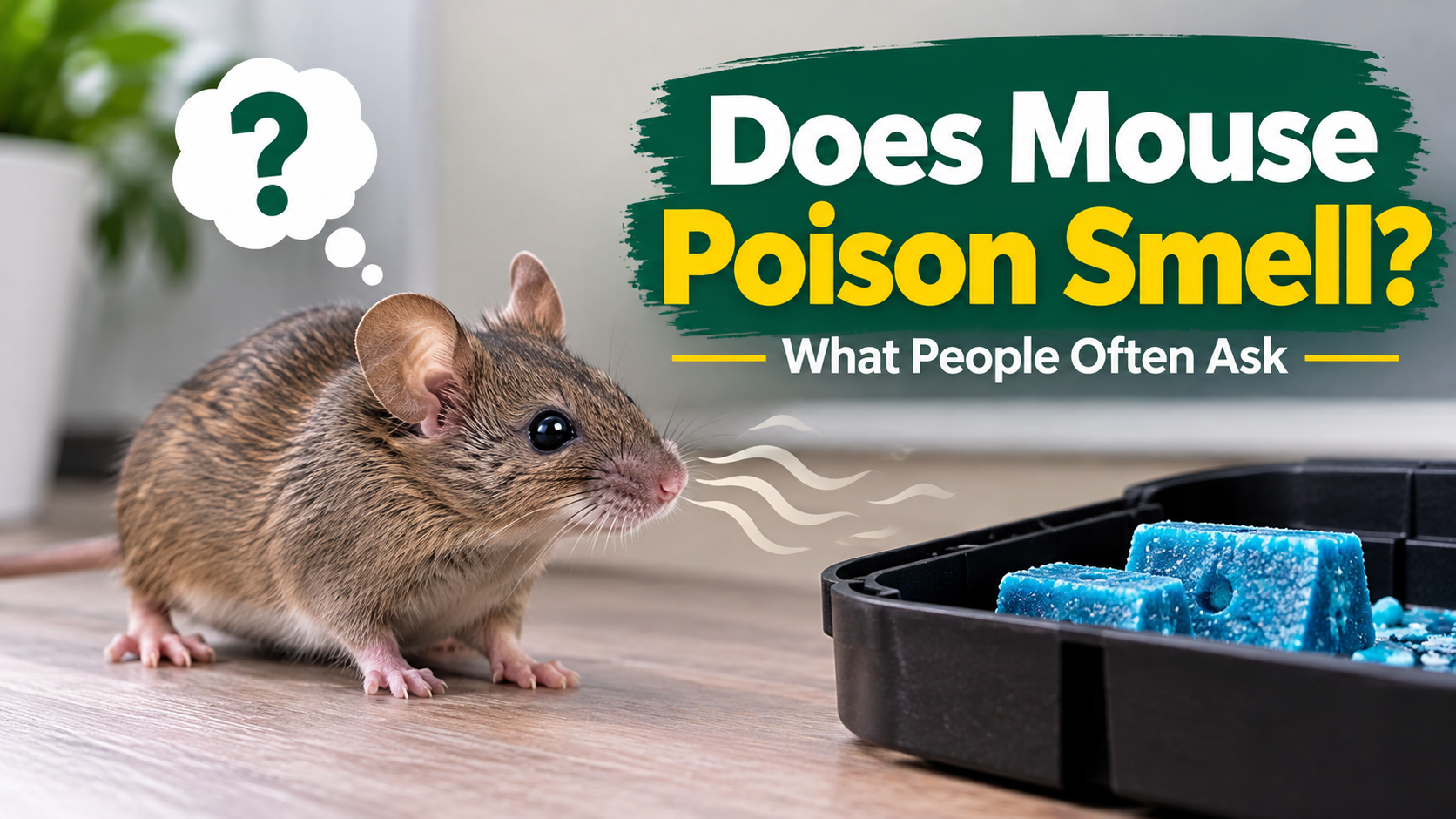
Does Mouse Poison Smell? What People Often Ask
In the case of a mouse problem, the very first question that one would assume a homeowner will have is not a complicated one: does mouse poison smell? A great number of individuals are concerned about unpleasant smells, bad odors that do not disappear in the house, or bad smells on walls and in crevices following the usage of mouse poison or other rodenticides.
The short answer is: it depends. People often have a misconception about the smell of mouse poison. This guide will help us understand what actually causes odors, how various rodenticides work, and what you can do to address or prevent smell problems.
Does the Poison of the Mice Smell?
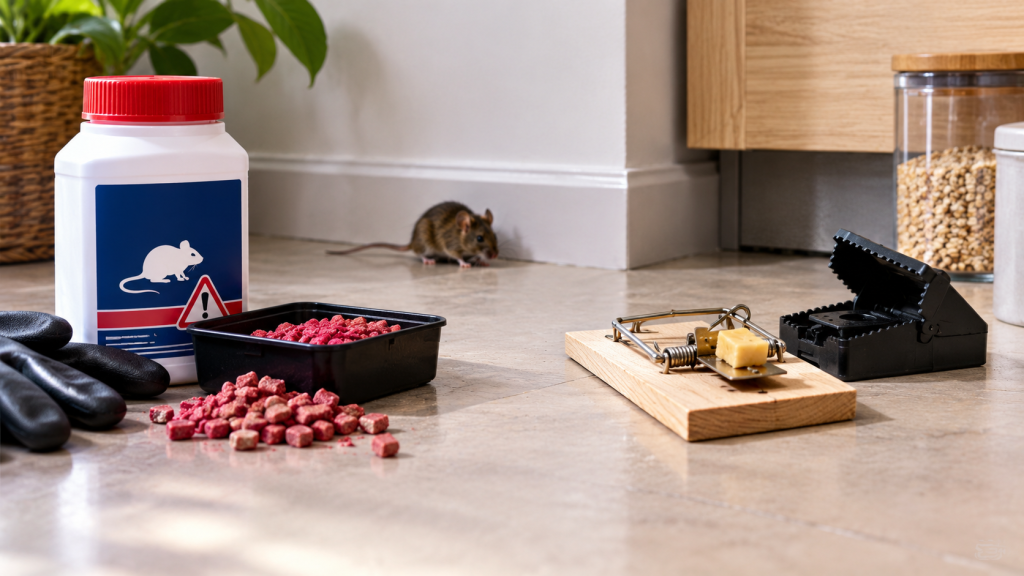
The vast majority of contemporary rodent poison formulations are designed to be odorless or possess a very faint odor. Manufacturers know that powerful chemical smells may deter mice.
In general:
· The poison itself is not normally smelly.
· Most baits are prepared to smell like food in order to attract mice.
· Others lack a foul smell and instead have a faint grain or sweet scent.
When you notice a strong smell near a rat poison rodenticide, it is rarely the poison causing it.
What is the Source of the Smell People Complain About?
The unattractive smell that people complain about is normally caused by dead mice, not by the mouse poison.
Mice tend to do the following after they ingest poison:
· Climb into walls, ceilings, or concealed areas
· Die in inaccessible locations
· Begin to decompose
This decomposition process leaves a strong and unpleasant smell that may persist for a few days or even weeks, depending on temperature and airflow.
Why Dead Mice Smell So Strong
Upon the death of a mouse, bacteria decompose its body tissues and release gases, creating a distinct, foul odor described as:
· Musty
· Rotten
· Similar to spoiled food
This is why homeowners often blame the best mouse poison products, whereas the actual problem is the location where the mouse died.
Is This a Problem Caused by Every Mouse Poison?
Not necessarily. Certain rodenticides are made to attract mice to water after use, increasing the likelihood they will die outside or in open areas. However, this cannot be guaranteed.
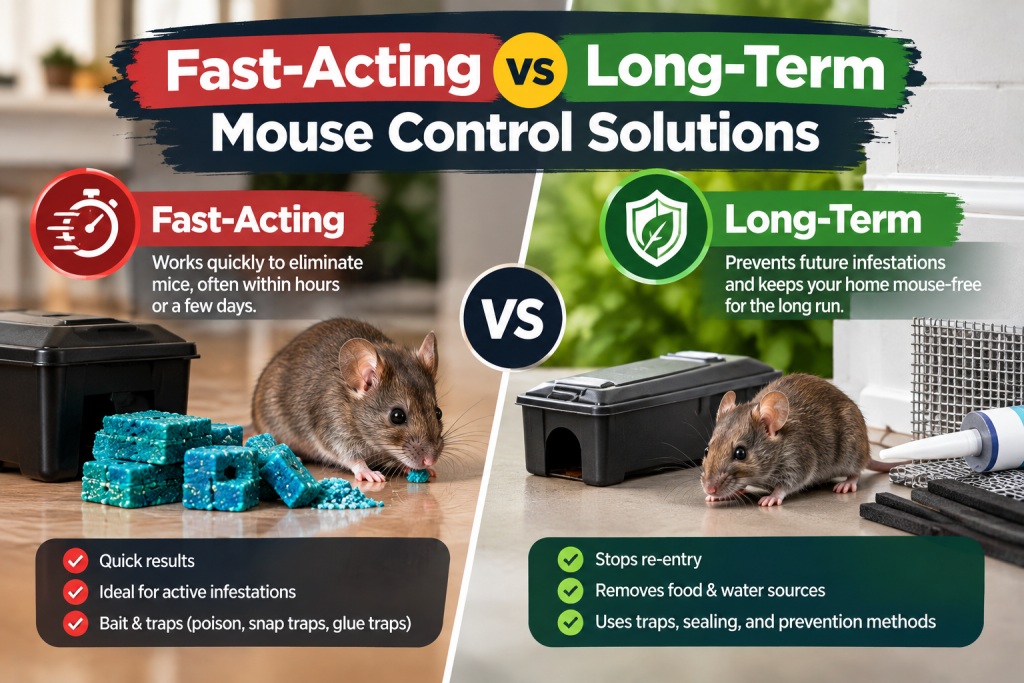
Any poison designed to kill rodents presents the possibility of mice dying in dark corners. This is why many pest specialists suggest combining prevention and monitoring with the use of poisons.
Indoor Use and Odor Concerns
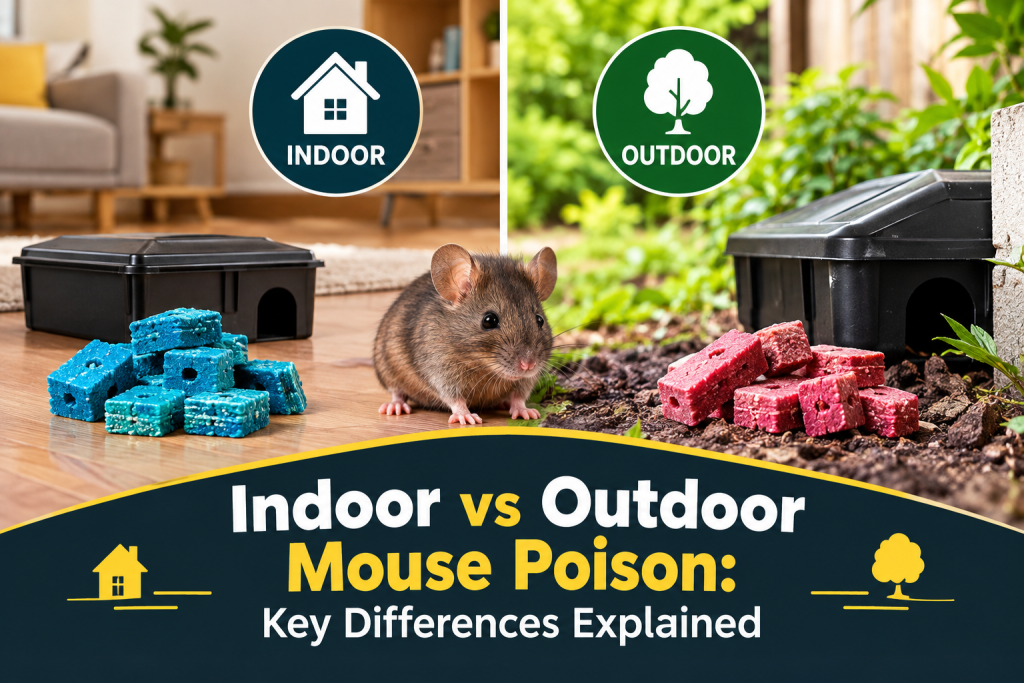
Even when using the most appropriate mouse poison indoors, odor issues can still arise if mice die within walls or under floors. Indoor infestations are particularly tricky because:
· Locating the source might involve opening walls.
· Smells can transmit via ventilation systems.
· Odors can linger for extended periods.
This is part of why some homeowners seek alternatives to traditional rodent poison.
How Long Does the Smell Last?
When a mouse dies inside your house:
· Odor typically begins within 2–5 days.
· The smell can last 1–3 weeks.
· Duration is heavily affected by ventilation and temperature.
The presence of insects like flies may also occur in certain instances, alerting homeowners to the problem.
Can You Prevent the Smell?
While using mouse control products, you can never be 100% sure an odor won’t develop, but you can reduce the chances. Helpful steps include:
· Applying poison in controlled, accessible locations.
· Placing bait outside of interior walls.
· Supervising bait stations regularly.
· Combining poison usage with physical exclusion.
Alternatives for Smell-Sensitive Homes
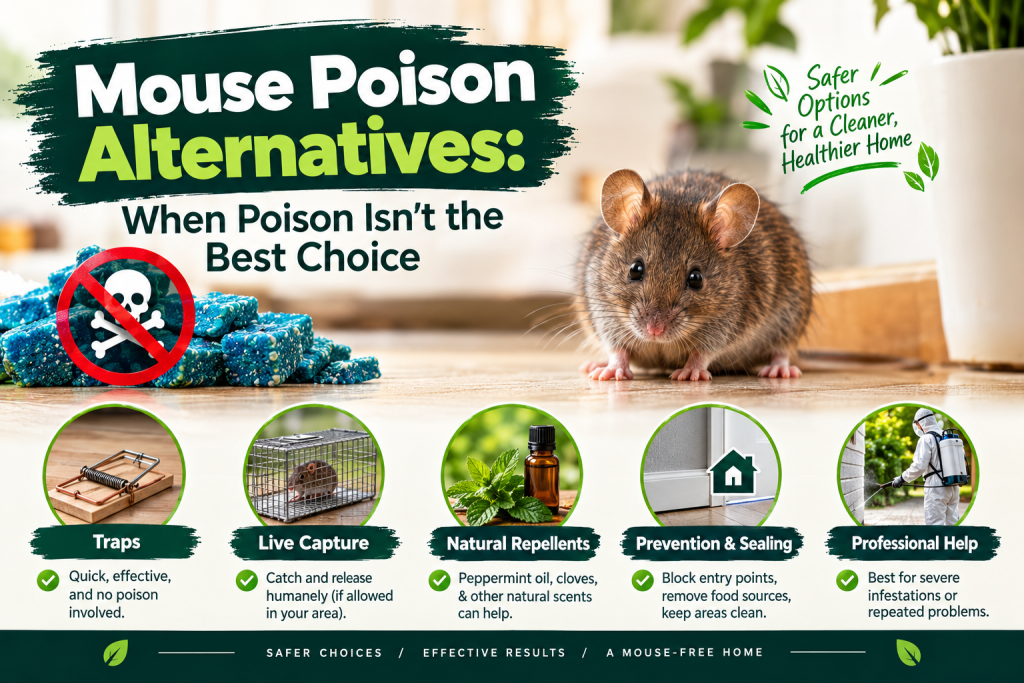
Many homeowners prefer poison substitutes when odor is a major concern. Mice can be managed via traps, exclusion, and repellents without subjecting the home to decomposition odors.
Repelling products are particularly advantageous in confined spaces. For example, Grandpa Gus’s Extra-Strength Mouse Repellent Pouches offer a non-lethal method of keeping mice away using strong natural aromas, making toxic mouse poison unnecessary where acrid smells are undesirable.
Final Thoughts
So, does mouse poison smell? On its own, usually not. The nasty smell people associate with mouse poison is almost always the result of dead mice rotting in dark corners—not the poison itself.
Understanding this distinction helps homeowners make informed choices. If odor is a significant concern, limiting poison use or switching to alternative mouse control products makes a big difference. When deterrence is preferred over elimination, utilizing products like Grandpa Gus’s Extra-Strength Mouse Repellent Pouches is an efficient approach to discourage mice without risking unwanted household odors.