Blog
Are Mouse Poisons Legal Everywhere?

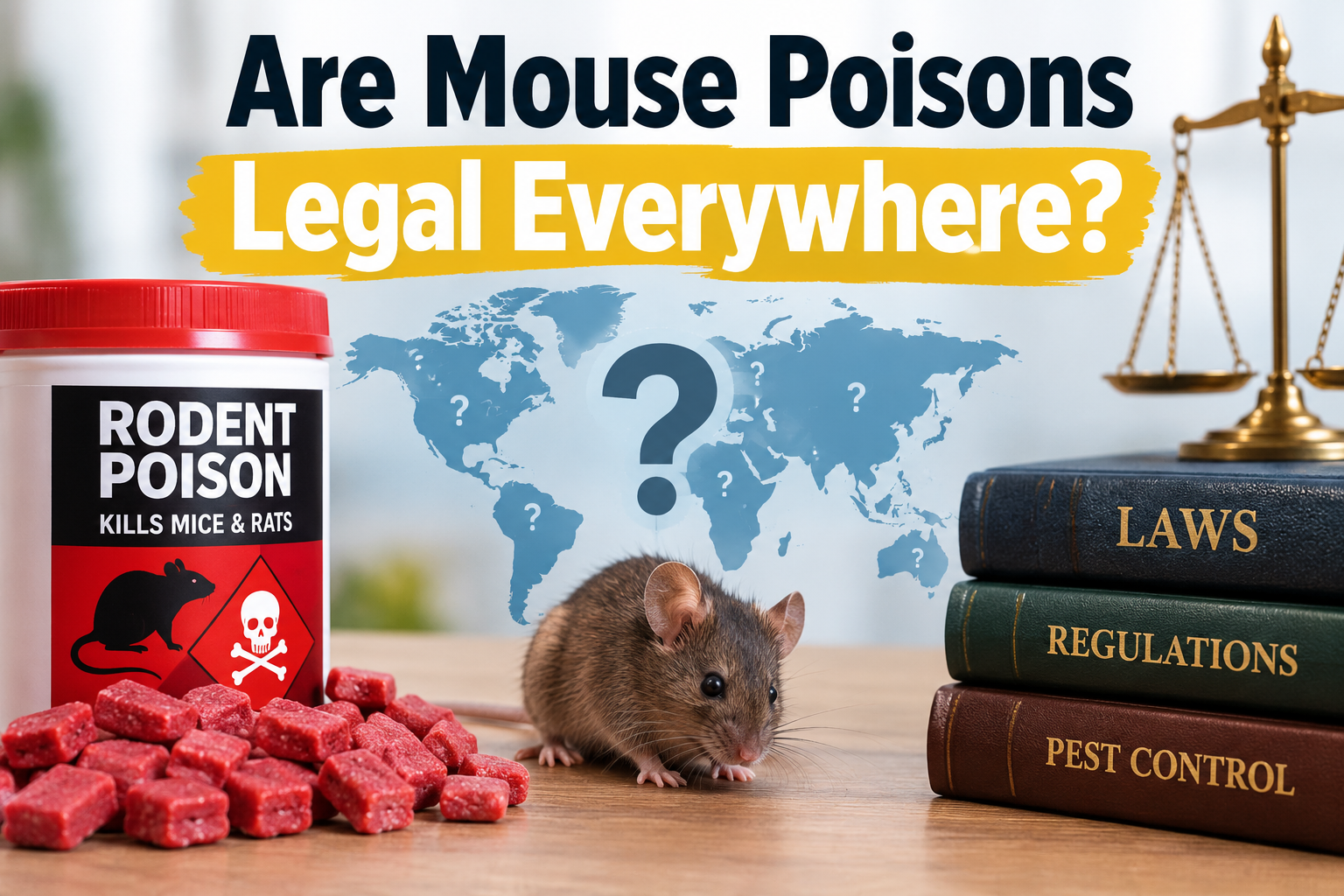
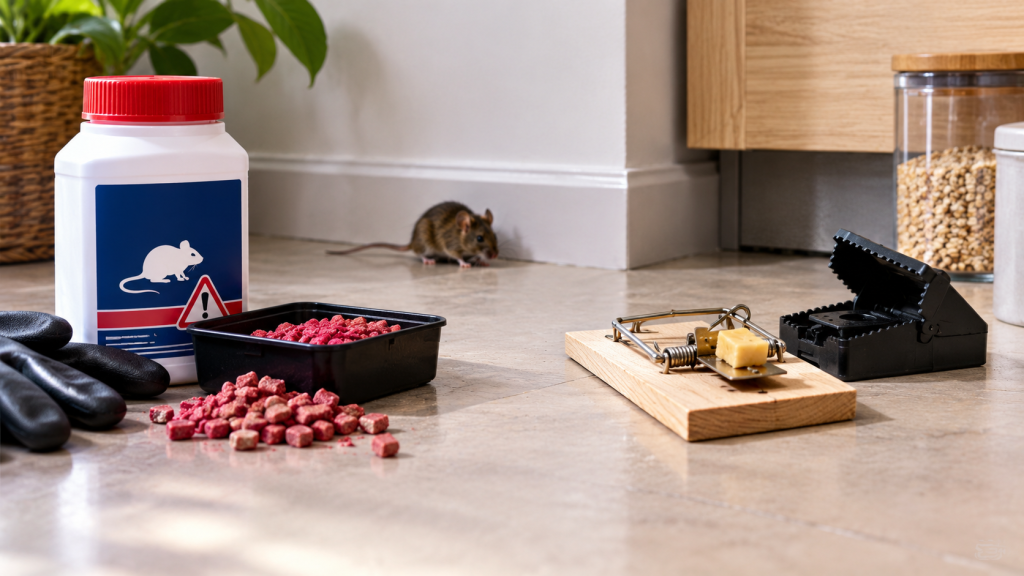
Infestation of mice is a common issue, and most people resort to using mouse poison or mouse control products in order to get quick relief. Nevertheless, one of the most frequently asked questions is: are mouse poisons legal everywhere? The answer is not a simple yes or no; rather, it is a complex framework governed by laws surrounding rodent poison and rodenticides depending on the country, region, or city.
It is crucial to learn the legal environment to stay out of penalties or fines and to make sure that rodent control is safe and responsible.
The Reason for the Regulation of Mouse Poison
Rodenticides are controlled by governments because these products are intended to kill living creatures and may harm non-target animals. The misuse of mouse poison can negatively affect pets, children, wildlife, and the environment.
Due to these dangers, numerous authorities restrict:
· Who can purchase certain poisons
· Where poisons can be used
· Which formulations are permitted
· How products must be marketed and labeled
This is why legality varies across locations and product types.
Laws on Mouse Poison in the United States
In the United States, mouse poison is legal, but it is heavily regulated by the Environmental Protection Agency (EPA). The EPA dictates which rodenticides may be sold to consumers and under what conditions.
Key points include:
· Certain professional-grade poisons are restricted to licensed handlers.
· Consumer products must meet strict safety standards.
· Tamper-resistant bait stations are often required.
· Certain active ingredients are prohibited or restricted.
Therefore, while rodent poison is legal, not all individuals have access to every formulation.
Consumer vs. Professional Rodenticides
Not every rat poison rodenticide product is identical. Highly potent formulations are illegal for non-licensed consumers. Homeowners typically have access to:
· Lower-toxicity formulations
· Enclosed, tamper-resistant bait stations
· Products explicitly marked for residential use
Local and State-Level Restrictions
Even where mouse poison is federally legal, local laws may introduce further limitations. Cities or states may restrict certain ingredients or ban outdoor use to protect local wildlife.
Examples include:
· Municipal limits on outdoor baiting
· Coastal or sensitive wildlife zones banning specific rodenticides
· Special regulations governing rental properties
Always consult local guidelines before applying the best mouse poison indoors or outdoors.
International Regulations
Europe
Most European nations enforce much tighter regulations on rodent poison compared to the U.S. Certain rodenticides are prohibited outright, while others are restricted strictly to professional use.
Canada
Mouse poison is legal in Canada but is regulated closely under federal and provincial laws to minimize environmental impacts.
Australia and New Zealand
These regions permit mouse control products, but environmental protection standards play a major role in determining which items can be sold and how they are used.
Why Certain Mouse Poisons Are Prohibited
Some formulations of the best rodent poison have been restricted or banned due to:
· Secondary wildlife poisoning
· Environmental persistence
· High risks to pets and children
Second-generation anticoagulant rodenticides remain particularly controversial due to their prolonged toxicity in tissue.
Is It Legal to Make Homemade Mouse Poison?
Homemade poison solutions discussed online are frequently illegal. Creating or using unapproved poisons violates pesticide and safety regulations. Furthermore, homemade poisons lack controlled dosages, create unpredictable risks, and carry heavy liability.
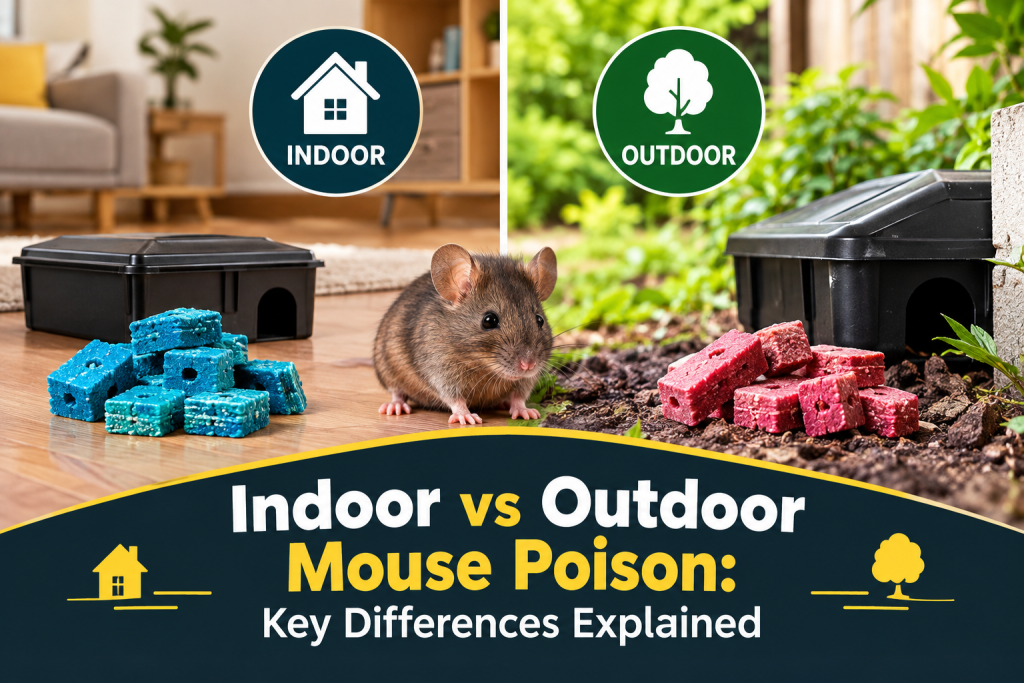
Indoor vs. Outdoor Legal Differences
Laws frequently distinguish between indoor and outdoor application:
· Indoor use of approved mouse poison is more widely permitted.
· Outdoor applications often mandate enclosed bait stations.
· Certain outdoor uses are banned entirely to safeguard wildlife.
Using an indoor-only product outdoors can constitute a legal violation.
Label Instructions Are Legally Binding
A critical legal principle is that product labels are legally binding. Misusing mouse poison contrary to label instructions—such as incorrect placement, exceeding dosage, or unauthorized outdoor use—violates federal and local laws.
Legal Implications of Abuse
Improper application of rat poison rodenticide can lead to:
· Fines and legal penalties
· Pet injury lawsuits
· Environmental damage citations
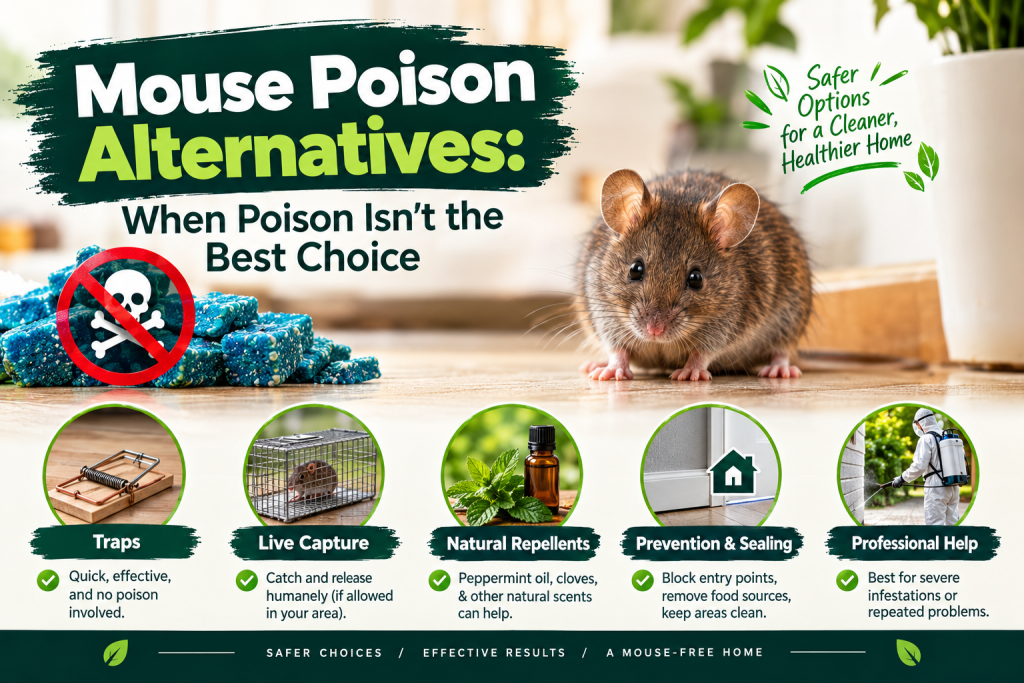
Alternatives Where Poisons Are Proscribed
Where regulations are strict, homeowners frequently turn to:
· Mechanical traps
· Exclusion methods
· Repellents
· Integrated pest management
The Role of Repellents in Compliance
Because non-lethal repellents do not use toxic chemicals to kill rodents, they are generally free from the stringent restrictions governing rodenticides.
Utilizing a non-lethal alternative such as Mouse Rodent Repellent allows homeowners to deter mice without raising complex legal and safety concerns.
Final Thoughts
Are mouse poisons legal everywhere? No. While mouse poison and rodent poison products are widely permitted, national, state, and local laws restrict their use based on potency, placement location, and environmental impact. Homeowners should always review local regulations and product labels, or opt for compliant alternatives like Mouse Rodent Repellent to ensure safe, legal, and stress-free pest control.