Blog
Mouse Poison and Pets: Understanding the Risks

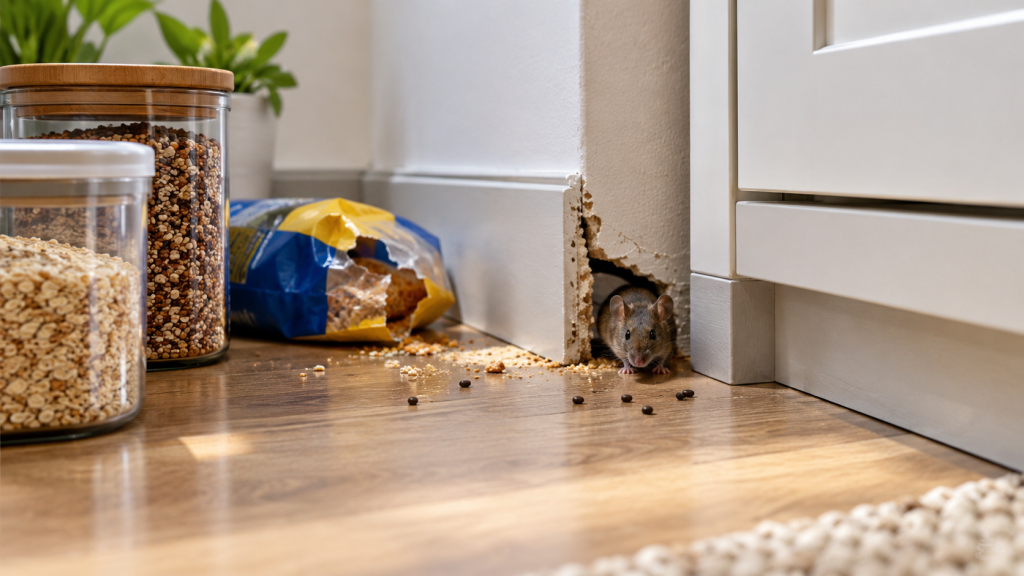
Whether it is a house, the infestation by mice is distressing to any householder, and the issue is even more serious when pets are involved. Most individuals resort to the use of mouse poison as a quick fix, little knowing that rodent poison and rodenticides are very harmful to dogs, cats and other animals. Pets are curious in nature and indirect contact can cause severe health results.
This handbook is a description of the actual danger of mouse poisoning around pets, why additional precautions are required, and what relatively safer products of mouse control and alternatives pet owners need to consider.
The Reason Why Mouse Poison is Sticky to Pets.
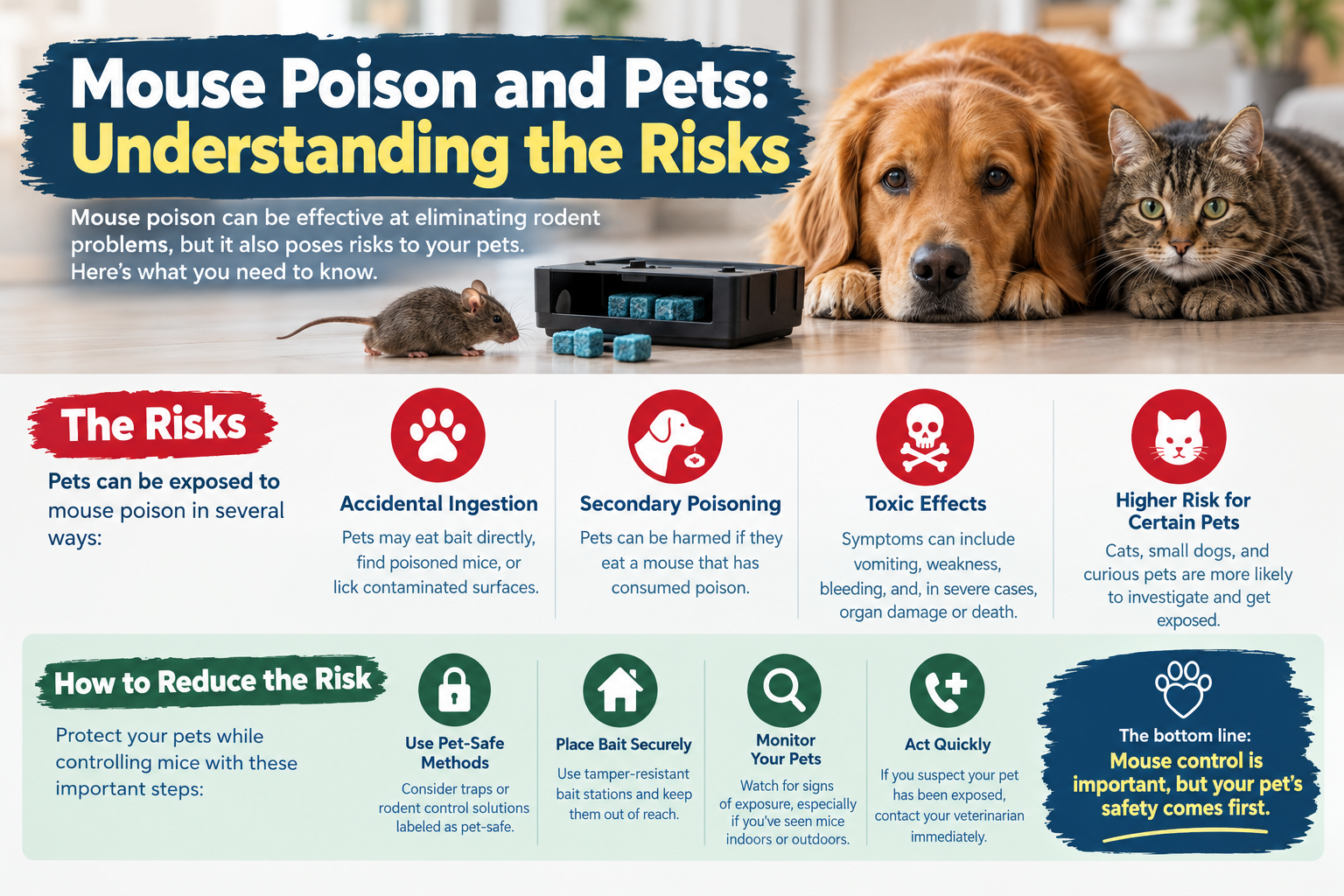
The rodent attracting poison is made in such a way that pets will attract it with no difficulties. Animals find some baits appetizing in terms of their smell. Pets can also be exposed to or come in contact with poisoned rodents even when it is put away.
One of the most frequent causes of veterinarian treatment of the poisoning cases connected with the pest control is the accidental exposure.
Forms of Rodent Poison and Pet Dangers.
The various rodenticides have varying degrees of harm to pets:
Anticoagulant Rodenticides
The poisons affect the blood clotting and may lead to blood loss in pets. Exposure is hard to identify because the symptoms do not manifest themselves right away.
Non-Anticoagulant Rodenticides
Certain formulae influence metabolism or hydration and may cause serious organ damage. A rat poison rodenticide can be marked specifically to the rodents, but it remains very poisonous to pets.
There is no existing best rodent poison which is pet safe regardless of the type.
Secondary Poisoning: A silent Killer.
Pets will be exposed to secondary poisoning even though they will not directly consume mouse poison. It is caused by a pet cat that eats a mouse that has been poisoned. Cats are susceptible especially, whereas dogs are also susceptible.
Some symptoms associated with secondary poisoning are usually ignored and can also present with delayed symptoms and hence they are harder to diagnose.
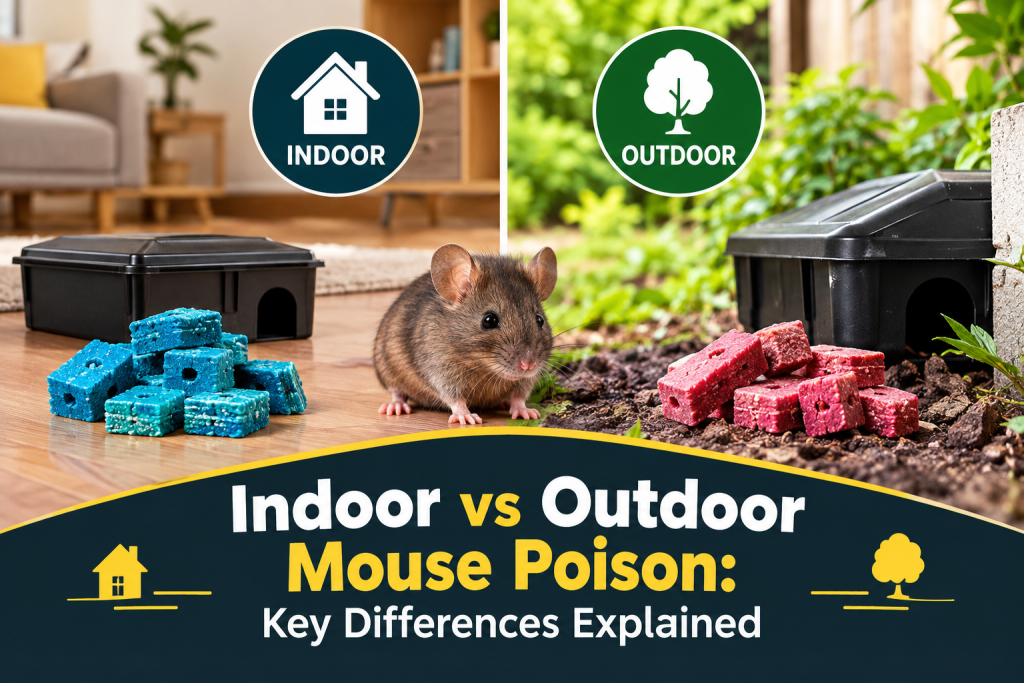
Indoor Mouse Poison and Pets
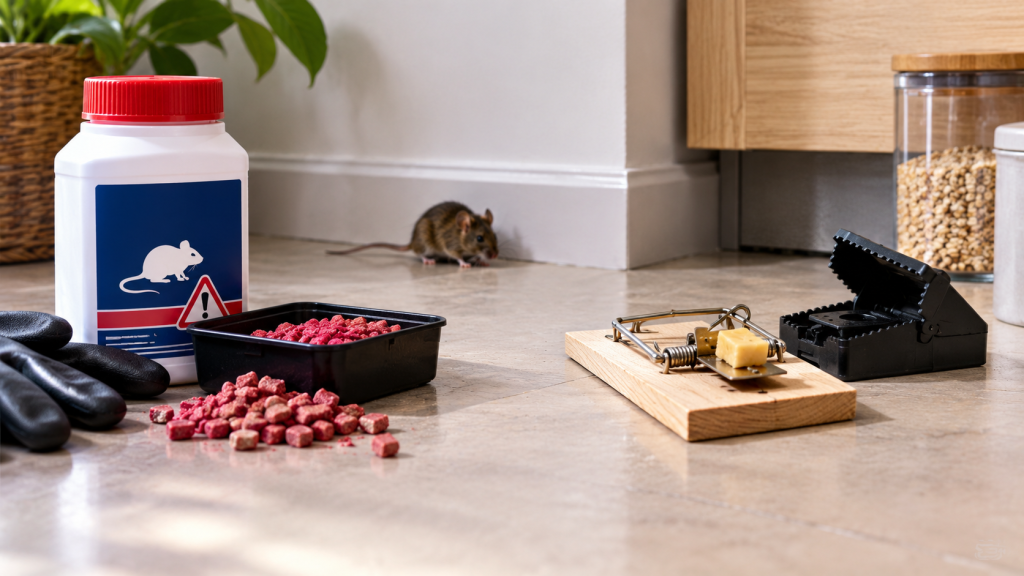
The use of poison in the house poses more danger since pets coexist there. Even the products that are marketed as the best mouse poison to use indoors may prove to be hazardous when they are not secured.
Common risks include:
· Toxin obtained in cabinets or behind refrigerators.
· Pets chewing bait stations
· Exposure to polluted surfaces.
The misspellings such as mouse poison are likely to cause confusion and unintentionally misuse them, which puts the risk of more exposure.
Red Flags of Poison in Pets.
Owners of pets should immediately visit the veterinary in case they observe:
· Lethargy or weakness
· Vomiting or diarrhea
· Difficulty breathing
· Bleeding or bruising
· Seizures or tremors
Treatment at an early stage is important and it saves the life of a pet.
The Reason to keep a pet mouse should not poison him.
Owing to such dangers, several pest specialists advise that all households should not have mouse poison at all. Although poison may be effective, the risk is usually bigger than the reward in the case of other safer alternatives.
Pets do not conceptualize danger and cannot prevent it, which is why control with poisons is particularly dangerous in pet houses.
Assault on the Mice is Safer Alternatives.
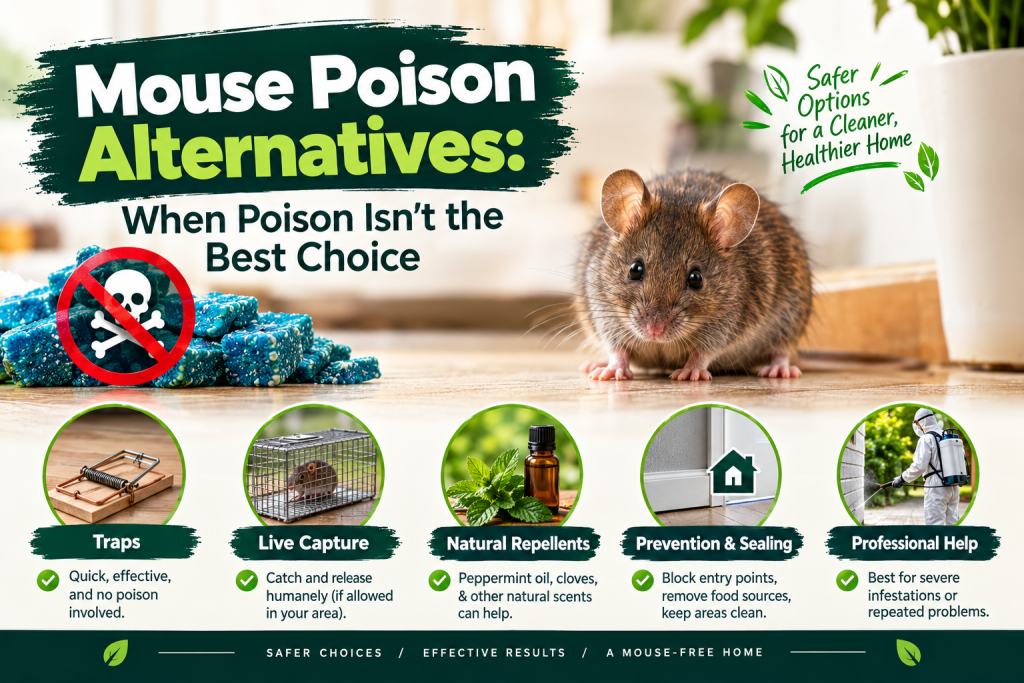
Fortunately, the alternatives that can be used are effective and do not require uses of the poison.
Mouse Repellents
Mouse repellents are geared to keep away rodents as opposed to killing those rodents. These products contain olfactory or compositions of substances that mice find repulsive hence they tend to move out of treated zones.
Natural Mouse Repellents
Insecticides (such as essential oils) or natural plants are frequently used in natural mouse repellents. They are less likely to need frequent reapplication, however, they are less damaging to homes containing pets.
The Best Mouse Repellents to use in Pet-Friendly Homes.
The best mouse repellents products are those which:
· Are non-toxic to pets
· The item can be applied both outdoors and indoors.
· Concentrate not on eradication, but on prevention.
· Are conveniently applicable.
Other products like Mouse Repellent for Indoor & Outdoor Use are usually selected by the owners of pets within a poison-free strategy of dealing with rodents.
Human Extermination Techniques of Rats.
Humane rodent control involves the need to prevent mice rather than kill them. These are particularly attractive to those pet owners who would like to evade hazardous chemicals.
Humane options include:
· Repellents and deterrents
· Proper relocation Live-capture traps.
· Such exclusion methods as closure points.
Although these techniques are slow, they help to significantly minimize risks to pets.
Function of Mouse Control Products Without Poison.
The current mouse control products do not get limited to the poisons and traps. Prevention-oriented devices are used to make the houses less appealing to rodents.
Strategies that can be applied effectively without use of poisons are:
· Keeping food in air tight containers.
· Washing of crumbs and spillages.
· Reducing clutter
· Sealing gaps and cracks
All of these measures contribute to the enhanced functionality of repellents and help to decrease the use of the best mouse poison solutions.
When Should Mouse Poisoning Be Ever proper in the Company of Pets?
Even in extreme cases of infestation, rodent poison can still be implemented by professionals but this should be under tight restrictions like locked bait stations in areas that cannot be accessed. At the time, professional supervision as opposed to DIY application is advised by many professionals.
In the majority of households that have pets, non-poison will be safe and more feasible.
Myths of Pet Safety and Rodent Control.
Others hold that it is sufficient to put the poison in places that are inaccessible, yet pets seem to access restricted places. People think that small sums are not harmful, but that is not the case.
This knowledge on the actual risks assists the pet owners in making informed choices.
The Prevention of Mouse in the Long Run, Pet-Safe.
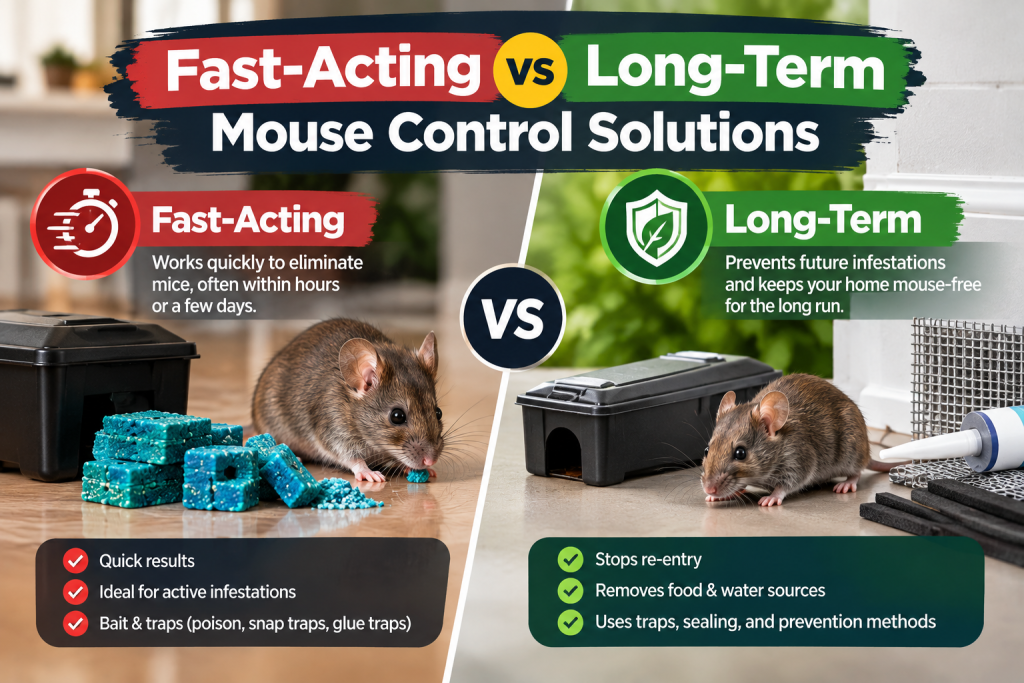
The most secure solution is a blend of repulsive, deterrence and surveillance. In the long run, it should make pets safe and decrease the necessity of extreme actions.
The most important is consistency, pet-safe measures are most effective when implemented on an ongoing basis not as a one-off solution.
Final Thoughts
The application of mouse poison in homes which have pets has severe consequences which cannot be underestimated. The rodent poison products are even the best and as such, they may lead to accidental or secondary poisoning, which makes them not a good option in pet-friendly households.
Other humane and safer mouse control methods like mouse repellents, natural mouse repellents, and other safer methods allow them a chance to control the mice without exposing them to toxic substances. Among pet owners who want a less expensive option that is still safer to use, such products as Mouse Repellent for Indoor & Outdoor Use could be considered as a feasible method of addressing the problem of mice with a reduced risk to the life of an animal.
Knowing such dangers will enable those who own homes to make more intelligent and safer selections of mouse control products that will secure their homes as well as that of their pets.