Blog
Environmental Impact of Mouse Poison: What Homeowners Should Consider

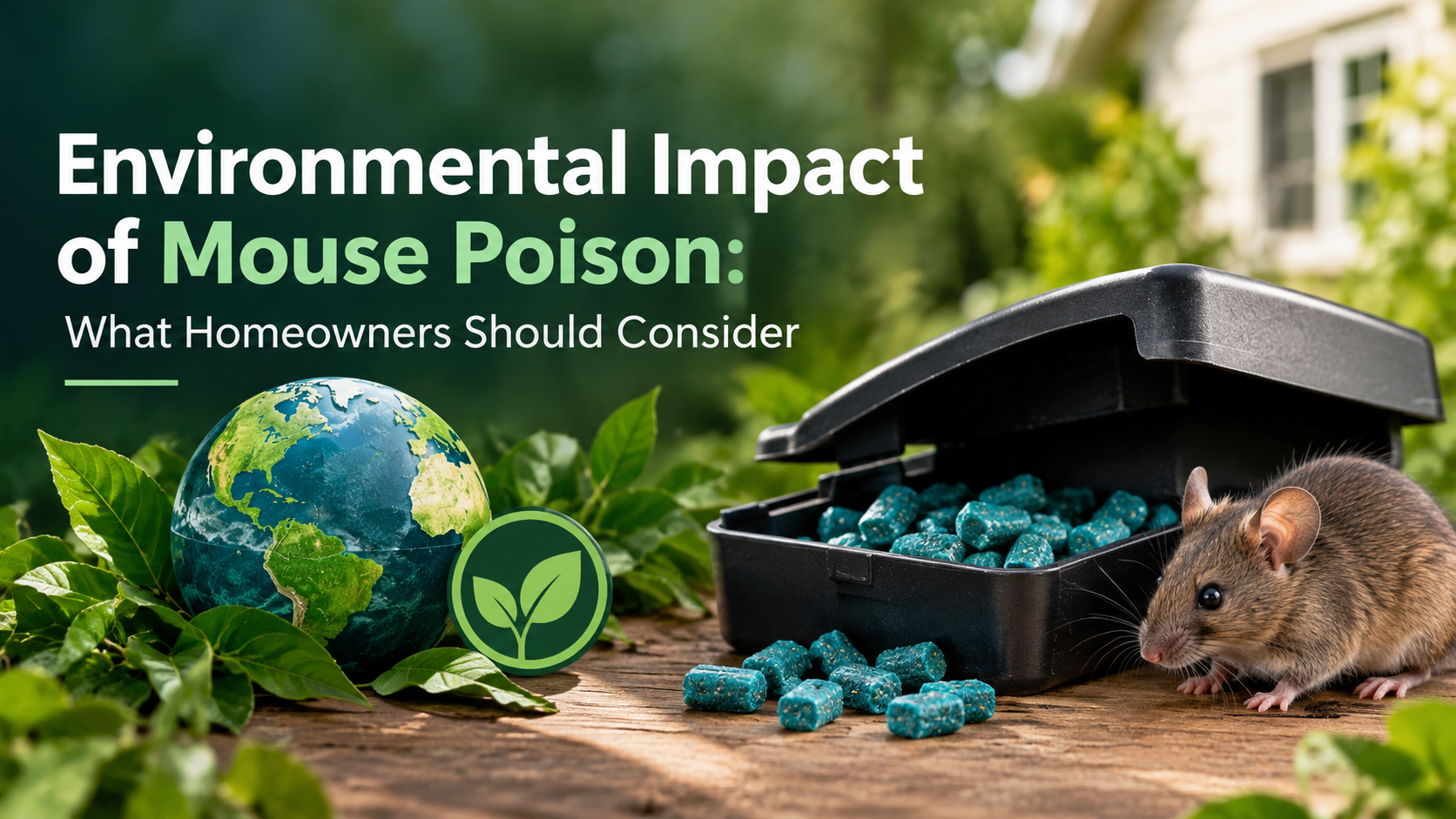
The issue of rodents is one that homeowners face frequently, and mouse poison is mostly viewed as a fast and an efficient remedy. Nevertheless, in addition to mice control in the house, one should also be aware of the environmental implications of rodent poisoning and other rodenticides in general. These products do not simply work on the target pests they may work on wildlife, pets, the soil and even water systems.
This paper discusses the effect of rat poison rodenticide on the environment, the risks that homeowners should be aware of, and how the unintended harm can be minimized through responsible use of mouse control products.
The Environmental Mode of Action of Mouse Poison.
Majority of rodenticides are meant to interfere in critical biological processes in the mice e.g. blood clotting or the nervous system. After a mouse has taken the poison, it can die either at home, outside or in secluded areas. This forms a chain reaction in the out or semi open environment which may go beyond the infestation area.
The best mouse poison is not enough to stick to the desired rodent. Its impacts have a way of exerting themselves on the ecosystems in a manner not recognized by the homeowners.
Secondary Poisoning and Risks in Wildlife.
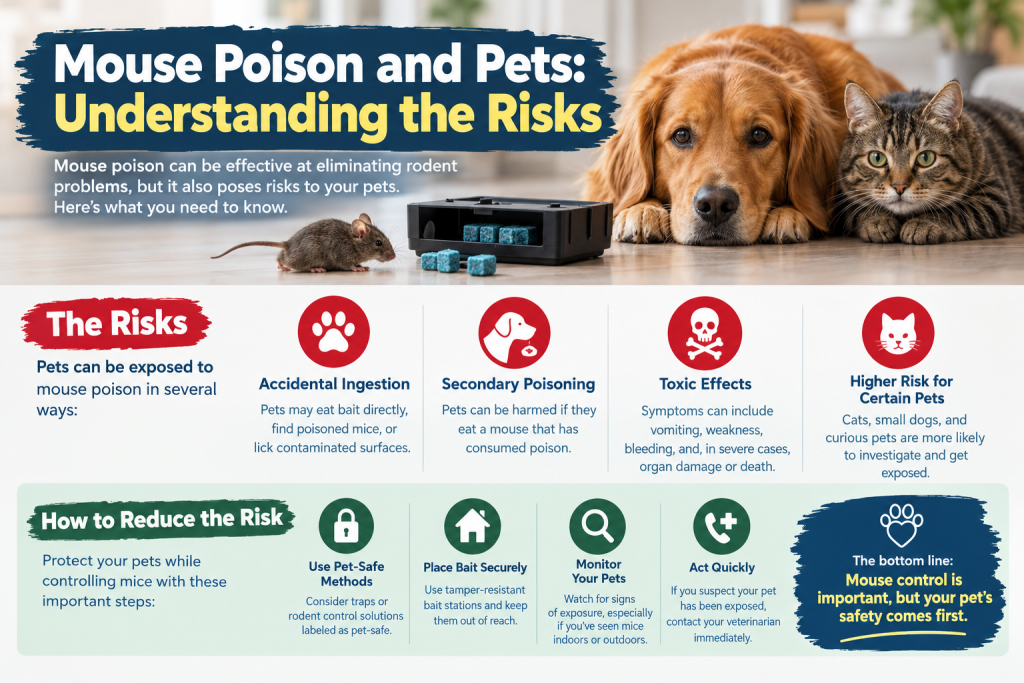
Secondary poisoning is considered to be one of the most severe environmental issues associated with rodent poison. This happens when the predators or scavengers (owls, hawks, cats, dogs, or foxes) get to feed on mice that have eaten poison.
Since most rodenticides persist in the body after the death of the rodent, indirectly, predators can get a poisonous dose of rodenticides. This has caused reported decreases in the population of birds of prey and other wildlife in places where the use of mouse poison is intensive.
Impact on Non-Target Animals
Misplaced or excessive use of mouse poison poses more chances of exposure to non target animals. Answers when used outdoors, rat poison rodenticide may be attractive to the wrong animal species, such as squirrels, birds, and even useful species.
The risk is most significant when the owners of homes poison themselves without protective stations or neglect labeling. The products sold as the safest mouse poison to use in the house can still be dangerous when transferred to the outdoors or in case of accidental access.
Concerns on Soil and Water Contamination.
There are some rodenticides that may remain in the environment. In the case of poison being left outside or improperly discarded into the environment, rain water may cause toxic wastes to be carried into the soil and other water bodies.
In the long run, this may lead to impact on insects, plants and microorganisms that are involved in supporting healthy ecosystems. The frequent application of [rodent poison](https://www.amazon.com/Xcluder-Rodent-Control-Steel-Fabric/dp/B00CQBYO0S?crid=25O9SDN1CZU8L&dib=eyJ2IjoiMSJ9.5f2_5JBGeu07Y794gXJpTkTA6B28LNVE2JYd25lipgnjYcNMoWhWIVlmUuLz2-KsXcvShodOHTo8a9p1oWteTkPXEgsSbpCbXAEuhSdvFCeMRn-3z9laecHFYYgeGUQK6qshugAv9rL6C4t1eldSx4QIz6N4YajyUZ4DK_4OGzCHTI3-q27g16PzkOT-rLNIWBsa_O_kWbRyI3QVKUeLVvF-RGky1E_73WgP5POGDrn3EpdRGfafvdYFq7h7Gy57kdcYqW2Ld6STJm5wCek4DpEeQpam-QY8gRuJ_cJPpbE.gpkxkAEBebiqLNfTEDpfHTTZ9tXUiiZrrsPcqWNy47o&dib_tag=se&keywords=Xcluder%2BRodent%2BControl%2BFill%2BFabric&qid=1790973405&sprefix=xcluder%2Brodent%2Bcontrol%2Bfill%2Bfabric%2Caps%2C582&sr=8-1&linkCode=sl2&tag=mousepoison10-20&linkId=9f29f0bd721d6574a7a11ad857394f69&language=en_US&gaOptInStatus=true&ref_=as_li_ss_tl&ascsubtag=srctok-0c0179228de7a035&btn_type=ss&btn_ref=srctok-0c0179228de7a035 in the same location enhances chances of accumulation of the same into the environment.
Outdoor vs Indoors Environmental Impact.
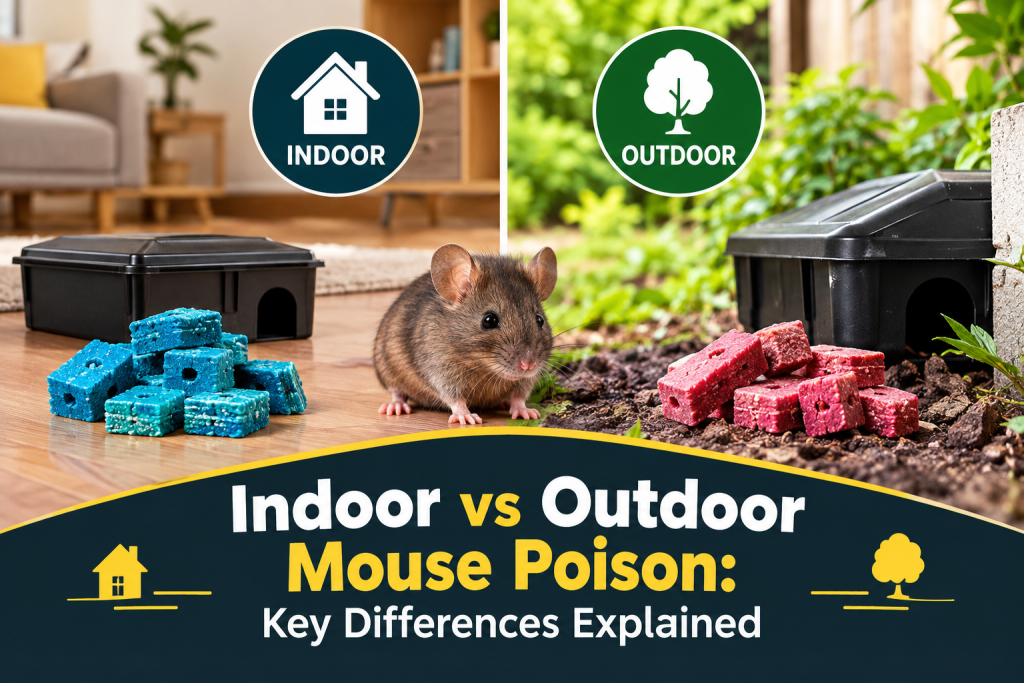
The use of mouse control products indoor has a less serious environmental impact as compared to when used outdoor, as long as the poison is well-contained. Nevertheless, rodents usually travel in and out of the house.
The affiliated risks of environmental exposure could be that a mouse which feeds on the poison in the place of residence could die in the outside environment. That is why even solutions which are indoor oriented should be included in a wider and environmentally conscious approach.
Excess and Dependence Problems.
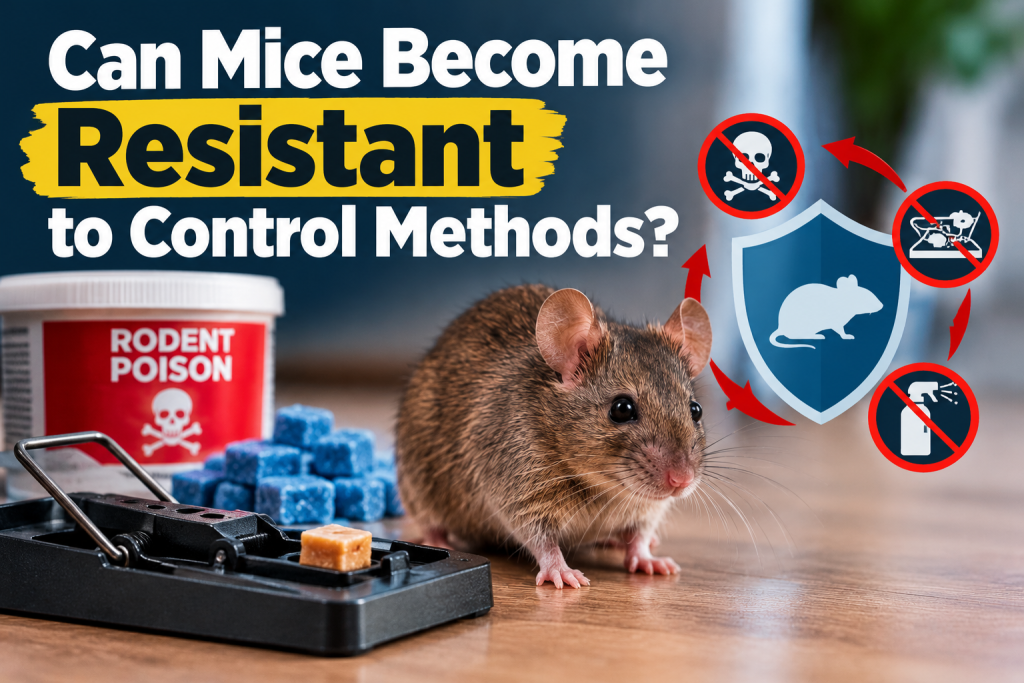
The other environmental problem is overuse. Where homeowners depend too much on mouse poison, rodents can take low doses which put them at risk of resistance in the long run.
This may result in the stronger infestations and the additional usage of poison further harming the environment. Selecting the most appropriate rodent poison fails to do away with this risk when not utilized in the most responsible way.
Human Health and Environmental Intersection.
Closely connected with human health is environmental impact. Households may eventually be exposed to contaminated soil, water or air. It is very important that mouse poison is handled or stored well, lest it spills or exposures come out of the immediate location.
The presence of this overlap makes the consideration of the environment should be included in the rodent control plan of any homeowner.
Rules and Safety Directives.
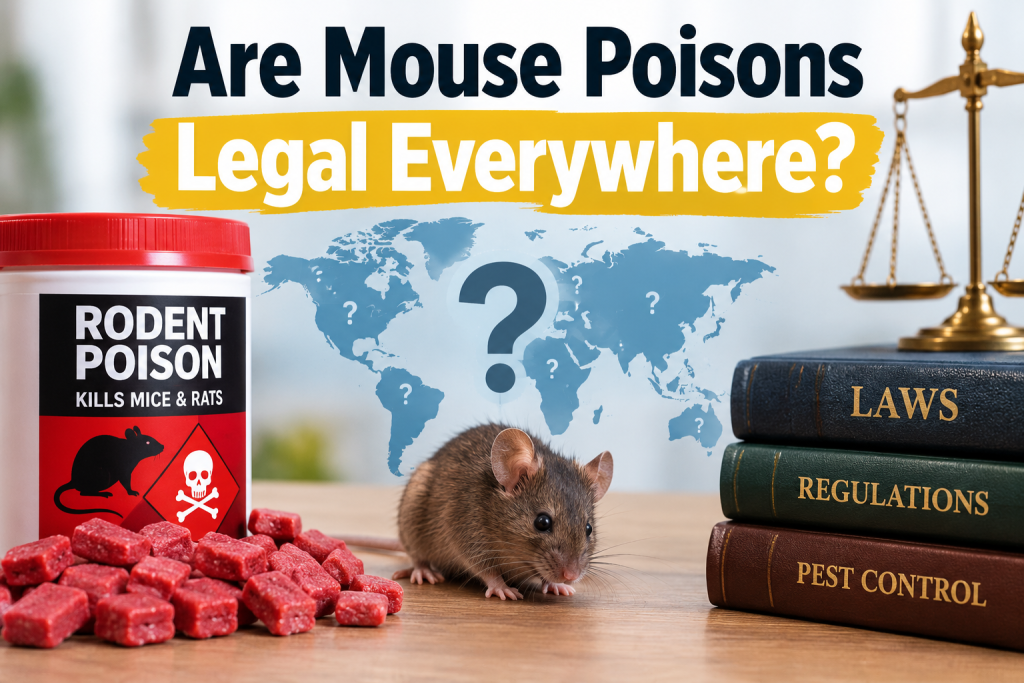
In the contemporary society, rodenticides are controlled such that they cause minimal harm to the environment, however, regulations do not ensure that they will not be abused. The labels often indicate the location of mouse poison usage and the method utilized as well as the prohibition of using outdoors.
Violation of these guidelines risks more to the environment as well as legal or safety issues.
Green Substitutes of Poison.
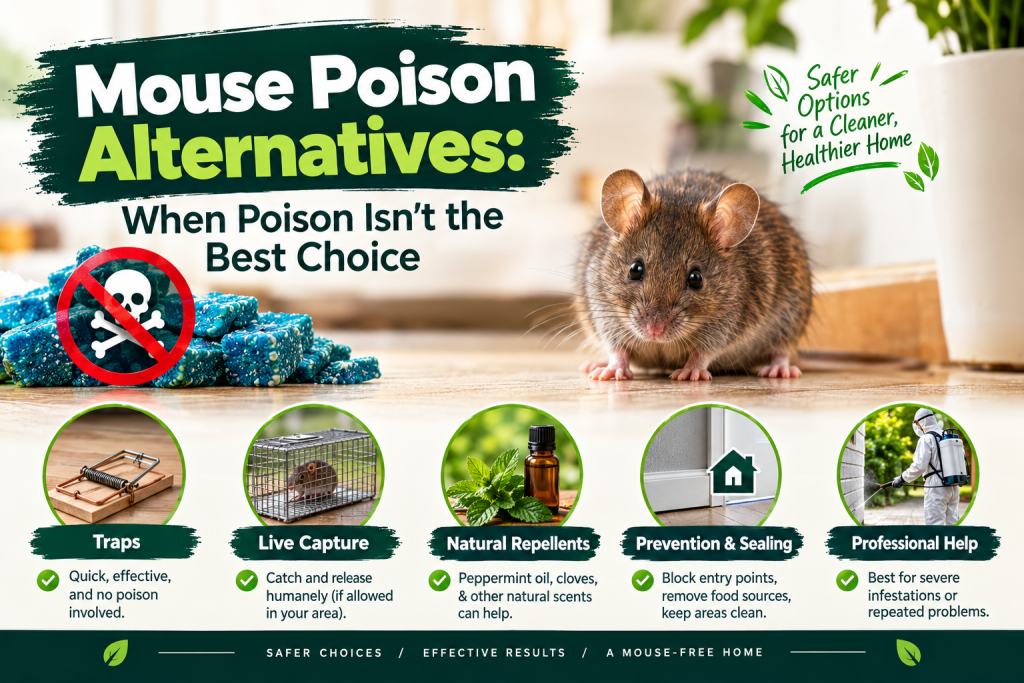
With the increased environmental awareness, most homeowners are looking at other options but not using conventional rodent poison. Mechanical traps, exclusion techniques and habitat modification are becoming more suggested as first line defenses.
Although these alternatives might be more labor-intensive, they have a much less harmful effect on the environment than chemical rodenticides.
Environmental Strategy Prevention.
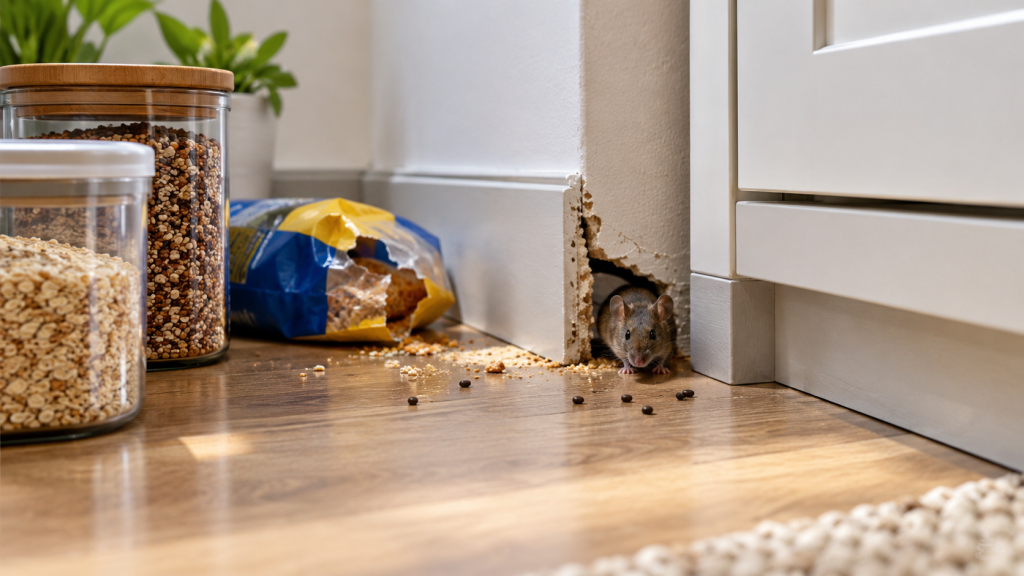
One of the best methods of minimizing the use of mouse poison is to ensure that the mice do not enter the house. Entry points, securing of food channels and minimization of clutters reduce the factors that attract rodents to begin with.
If the infestations do not need poisoning, the exclusion-based mouse control products are assisting to prevent the infestations.
Exclusion and Physical Barrier Role.
Exclusion is a significant contributor to the control of rodents with environmental responsibility. Sealing holes, cracks and gaps does not harm wildlife or ecosystems as it keeps mice out of the homes.
There are also products like Xcluder Rodent Control Fill Fabric which is created to physically block the rodent entryways, so no mouse poison is needed at all. These are solutions that help deal with the actual cause of the infestations but not necessarily by the use of simply chemical control.
Finding a compromise between Effectiveness and Environmental Responsibility.
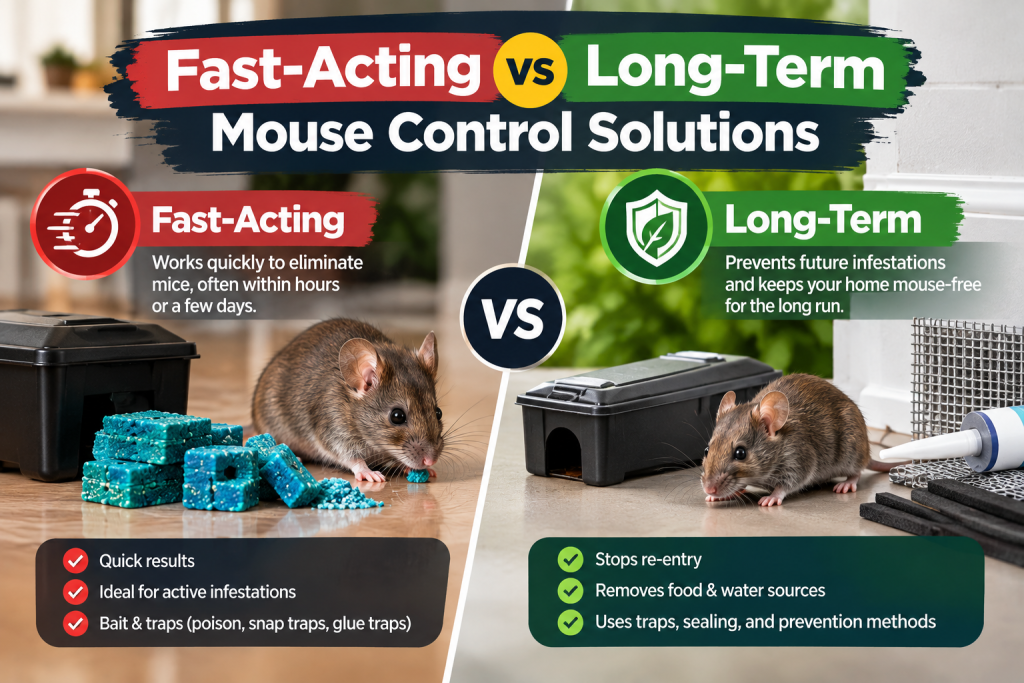
Homeowners are always in a dilemma on whether to have quick outcomes and environmental sustainability. Although mouse poison may be useful, one should not overrule the impact on the environment.
Even a small amount of poison and the adherence to guidelines and its use in conjunction with proactive actions would lead to reducing adverse effects to a considerable degree.
Poisoning of rodents is also carried out in a responsible manner.
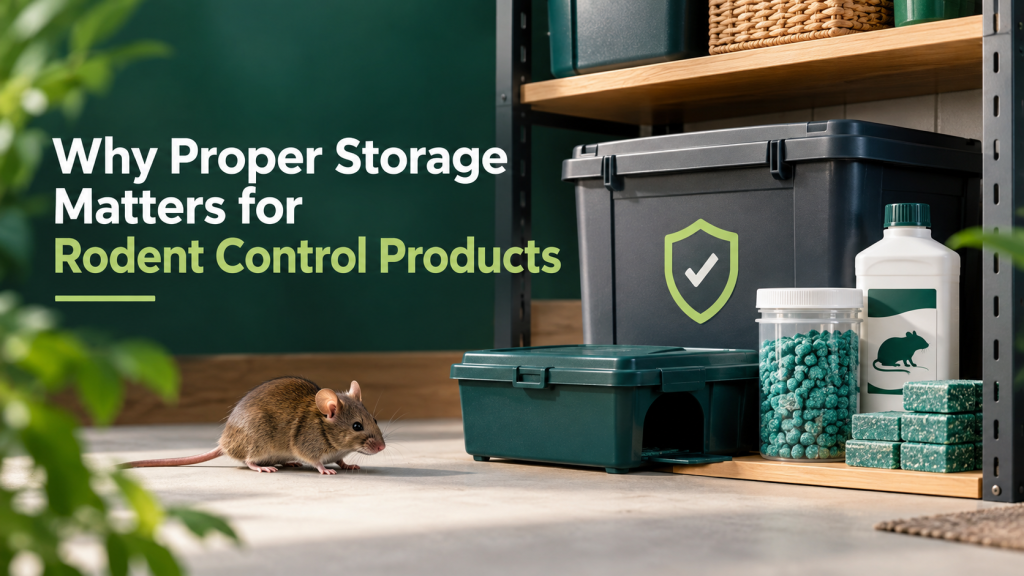
Rodenticides that are not used or have expired should also not be discarded in normal household garbage or drained. Poor disposal will enhance the probability of environmental pollution.
Local waste disposal authorities usually give directions on how to safely dispose rat poison rodenticide products.
Homeowner Education on Making Decisions.
Being aware of the impacts of mouse control products in the environment allows the homeowners to make more informed choices. Successful secondary poisoning awareness, contamination and non-target exposure brings about safer and more sustainable pest control measures.
Final Thoughts
The damage caused by mouse poison to the environment goes way beyond the boundaries of one home. Although rodenticides are still a favored remedy to rodent infestations, they are dangerous to the health of wildlife, ecosystems, and the environment in the long run when improperly applied.
[Rodent poison](https://www.amazon.com/Xcluder-Rodent-Control-Steel-Fabric/dp/B00CQBYO0S?crid=25O9SDN1CZU8L&dib=eyJ2IjoiMSJ9.5f2_5JBGeu07Y794gXJpTkTA6B28LNVE2JYd25lipgnjYcNMoWhWIVlmUuLz2-KsXcvShodOHTo8a9p1oWteTkPXEgsSbpCbXAEuhSdvFCeMRn-3z9laecHFYYgeGUQK6qshugAv9rL6C4t1eldSx4QIz6N4YajyUZ4DK_4OGzCHTI3-q27g16PzkOT-rLNIWBsa_O_kWbRyI3QVKUeLVvF-RGky1E_73WgP5POGDrn3EpdRGfafvdYFq7h7Gy57kdcYqW2Ld6STJm5wCek4DpEeQpam-QY8gRuJ_cJPpbE.gpkxkAEBebiqLNfTEDpfHTTZ9tXUiiZrrsPcqWNy47o&dib_tag=se&keywords=Xcluder%2BRodent%2BControl%2BFill%2BFabric&qid=1790973405&sprefix=xcluder%2Brodent%2Bcontrol%2Bfill%2Bfabric%2Caps%2C582&sr=8-1&linkCode=sl2&tag=mousepoison10-20&linkId=9f29f0bd721d6574a7a11ad857394f69&language=en_US&gaOptInStatus=true&ref_=as_li_ss_tl&ascsubtag=srctok-0c0179228de7a035&btn_type=ss&btn_ref=srctok-0c0179228de7a035 should be considered as one of a number of tools by the home owners rather than a single solution. Reducing poison implications and combining them with prevention, appropriate location, and physical exclusion strategies will result in a more accountable strategy of rodent control.
In the cases when one wants to made an environmentally conscious choice and still solve the infestation problem, such exclusion-based approach as Xcluder Rodent Control Fill Fabric can be an efficient solution to prevent entry holes and reduce reliance on the use of chemical mouse poison. The right decisions today will save the homes tomorrow and the environment.