Blog
Rodent Activity in Warehouses and Storage Facilities: Why Fall Inspections Matter

Learn why fall is an ideal time to inspect for and prevent rodent issues in commercial facilities in our video:
Fall Is The Right Time To Inspect For Warehouse Rodents
In south Florida, fall isn’t quite “rodent season” the same way it is in colder states. The truth is that there are different rodents that are active throughout the year in Florida. But for warehouses, storage facilities, and distribution centers, the fall is a very practical checkpoint and inspection time, particularly after the summer storms and before seasonal inventory increases. These are busy environments with a lot of movement: deliveries, roll-up doors, shifting pallets, rotating inventory, and employees working across very large spaces. For these types of commercial properties, a fall inspection can reduce risk before rodent issues grow into operational, sanitational, or reputational problems for the business.
Why Warehouse and Storage Facilities Attract Rodents
Warehouses and many types of commercial buildings offer everything a rodent needs to survive and even thrive: shelter, protection from elements and predators, sources of food and water, and quiet places to hide and nest. Rodents can use wall voids, pallet stacks, loading areas and even exterior vegetation as protected spots and travel routes. Food storage or distribution facilities can face some of the highest rodent pressures, but even non-food facilities have common employee break areas, trash, cardboard, standing water and general debris that make them attractive to rodents. Rodent activity doesn’t always mean a “dirty area”. Even well-run warehouses and facilities can come under rodent pressures where structural gaps or sanitation weak-spots pop up. According to researchers at the University of North Carolina, rodent prevention depends on identifying the conducive conditions, monitoring activity, and limiting rodent access to shelter and resources.
Common Entry Points to Inspect in the Fall
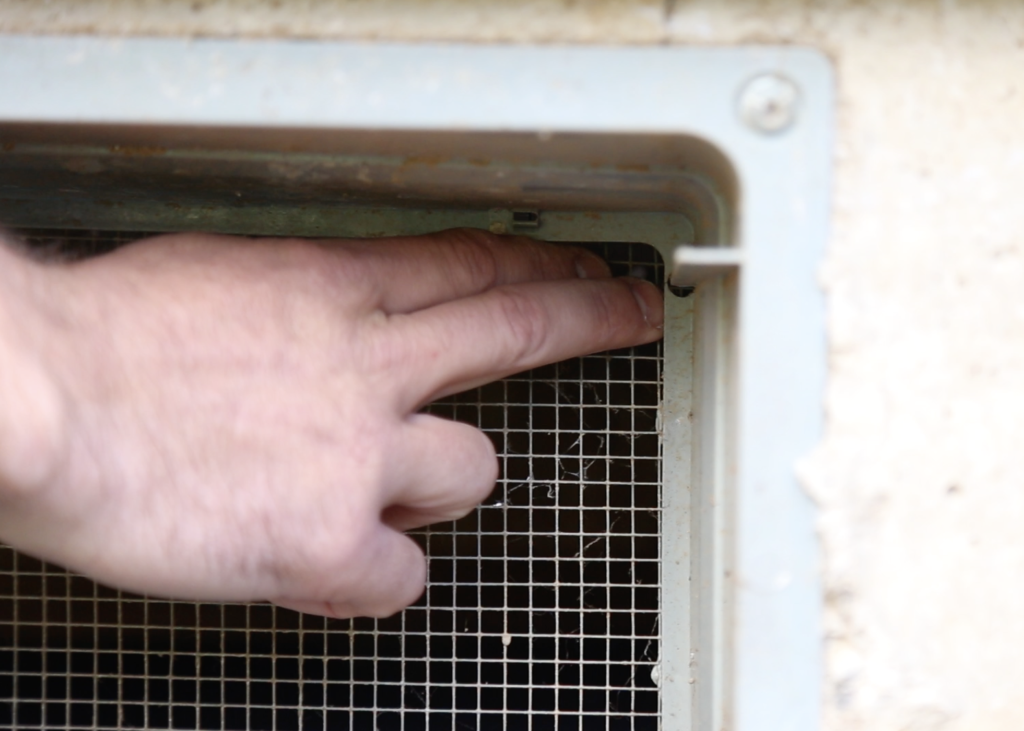
Warehouses and many other commercial buildings are often large structures. You can’t always effectively monitor every last inch of the space. There are, however, some very common rodent entry points that facility managers can inspect in the fall, particularly after the end of the summer storm season. These include places like:
- Roll-up doors
- Loading docks
- Door gaps and cracks
- Utility line entrances and penetrations
- Gaps in the roofline
- Structural gaps
- Damaged seals
- Exterior wall cracks and gaps
Mice and other rodents don’t need much of an opening in terms of size. Sometimes even gaps the size of a quarter or half-dollar are enough for rodents to have repeated access points, where pest exclusion protocols can wear down over time.
Once inside, it doesn’t take much for a small problem to grow into a much larger one once a rodent population has taken up in a commercial facility. One south Florida food-distribution facility had to face stop-use orders from local health officials after inspections revealed an active rodent infestation, among other issues. After the summer storm season, the humidity and wind may have damaged door seals or created exterior gaps. Check around loading docks and roll-up doors and other high-traffic areas where outdoor rodents can infiltrate inside.
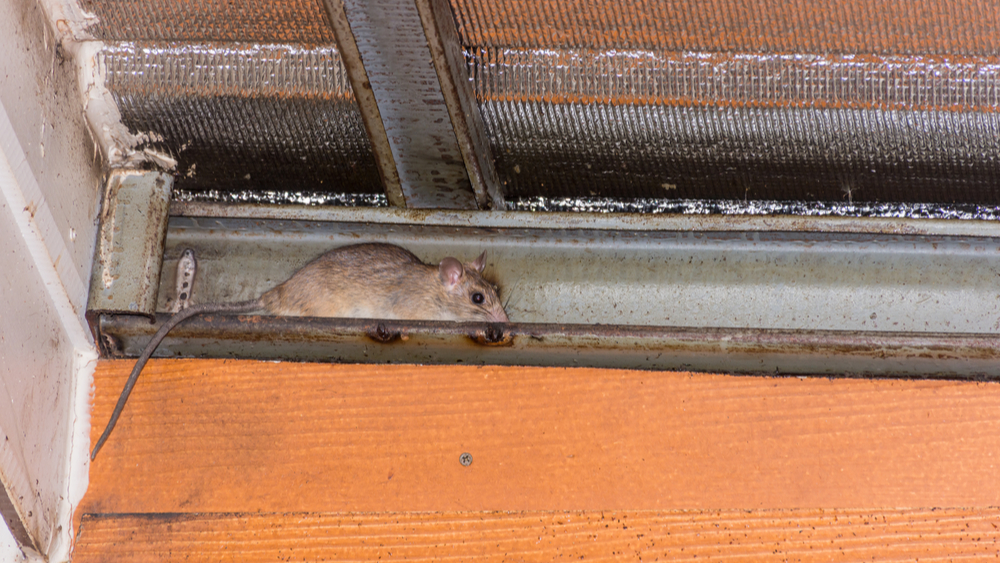
Hidden Harborage: Pallets, Cardboard, and Quiet Corners
Besides the different entry points and places where gaps and cracks can emerge, other spots to inspect in the fall are deeper inside the facility. This includes places like:
- Stacked pallets
- Cardboard piles or storage
- Shrink-wrap areas
- Cluttered maintenance rooms
- Storage areas and shelving
- Rarely moved or inspected inventory
Cardboard and a wide range of packing materials can provide both concealment and ideal nesting materials for rodents. Look for claw or tooth marks or signs of shredding where these materials are stored or used in the facility. And of course, inspect some of the quieter and less-visited spots within the building. Think in terms of overall accessibility: the harder it is to generally access or inspect a spot, the easier it is for rodents to hide there and the more likely it can become a hidden trouble spot for facility managers.
Why Killing Adult Drain Flies Doesn’t Fix the Problem
If you’ve ever had drain flies and swatted some of them or used a fly trap, only for them to reappear days later, you might have wondered: “Why do drain flies keep coming back?”. The truth is that the adult drain flies are just the visible “symptom” of the problem. Killing or trapping the adult drain flies may temporarily reduce the visibility of the underlying problem. But their breeding site is almost always hidden in slimy buildup, biofilm or decaying organic matter. If the eggs and larvae remain in the film, then the drain flies are going to keep coming back. Experts at the University of Kentucky stress that elimination of the drain fly breeding sites by cleaning pipes or drain traps are the most effective method of dealing with them.
First Signs of Rodent Activity in a Warehouse or Commercial Facility
Also remember that the staff inside the commercial facility are your front-lines in the ongoing battle with rodent (and other pest) pressures. Train your staff to be on the lookout for some common first indicators of active rodent activity:
- Droppings and urine
- Gnaw marks
- Scraping or rub marks along walls and baseboards
- Shredded materials and evidence of nesting
- Unusual odors
- Clawing or scampering sounds in the walls, ceiling, or storage areas.
In a commercial facility early detection really matters, because rodents can contaminate inventory well-before they’re ever spotted in an open area. One wholesale food supplier faced 11 code violations and a required re-inspection after local officials spotted not just signs of an active rodent infestation, but also dead and decaying rodents within the facility.
Needless to say, these weren’t just out in the open, but tucked away in some of the less visible areas. Diligence matters, as does thorough documentation. Note the location, date, form of evidence, and any noted food, water or structural concerns nearby. This methodical approach will go a long way toward reducing the facility’s overall rodent risk profile.
Food, Water, Waste and Inventory Risk
Problems
Rodents in warehouses and other commercial facilities aren’t just a “nuisance”. They pose real contamination and inventory loss risk, and can require corrective remediation or ongoing regulatory issues, which can hurt businesses’ bottom lines. Food warehouses and distribution centers face among the highest risks. Even small spills, unsecured waste containers, employee food/break areas, and pet food products can support rodent populations. Good sanitation practices and accessible storage areas make rodent monitoring much easier. Food safety guidance from experts at the University of Florida emphasizes the importance of inspecting storage areas for rodents and using traps, screens, and other pest-control procedures.
Commercial Rodent Control Should Be An IPM Program
Facility managers and employees know of course that rodents are just one of many pests that are native to Florida. That’s why commercial rodent control works best as an Integrated Pest Management (IPM) plan. IPM has a few core “planks” that all work together to increase the effectiveness of the pest control program:
- Sanitation
- Exclusion
- Monitoring
- Targeted control
- Documentation
- Follow-up inspections
Traps alone rarely solve a rodent problem. Trapping without focus on the sanitation and exclusion side is only going to mask the problem and make the facility more vulnerable in the long run. Monitoring should be strategic and well-planned, especially in larger spaces. A study led by researchers at Cornell University found that trap placement near warmth and shelter outperformed random placement.
Fall Warehouse Rodent Inspection Checklist
This fall, after the summer storm season winds down but before seasonal inventory or holiday demand increases, take the time to conduct a thorough inspection. Make efforts to:
- Inspect roll-up doors and dock seals
- Check utility line entrances and penetrations
- Look under, behind, and within pallets
- Remove exterior debris and overgrowth
- Keep storage zones accessible for inspection
- Clean spills quickly and secure waste areas
- Review employee break areas
- Look for droppings, gnaw marks, rub marks, and damaged packaging.
At the completion of the inspection, if rodent activity or access points are found, you should consider scheduling a commercial pest control inspection.
Here at Nozzle Nolen, we’re not just residential pest control experts. We also work with many local commercial property owners and facility managers throughout Palm Beach County and the surrounding areas. We offer commercial pest control programs for warehouses, industrial facilities and storage operations. Rodents are a year-round concern in south Florida commercial facilities, but fall is one of the best times to tighten up your defense. Before inventory stacks higher and loading docks get busier, take a closer look at the areas rodents use to get in, hide, and start reproducing.